

The Yoruba Council of Elders (YCE) has reiterated its strong support for the establishment of state police, describing it as a crucial step toward addressing Nigeria’s growing security challenges while stressing the need for strict legal safeguards to prevent abuse.
Speaking in an interview, the President-General of the Council said the organization backed the proposal from the outset, long before it gained wider political acceptance.
According to him, the Council based its position on Nigeria’s historical approach to community security rather than partisan considerations.
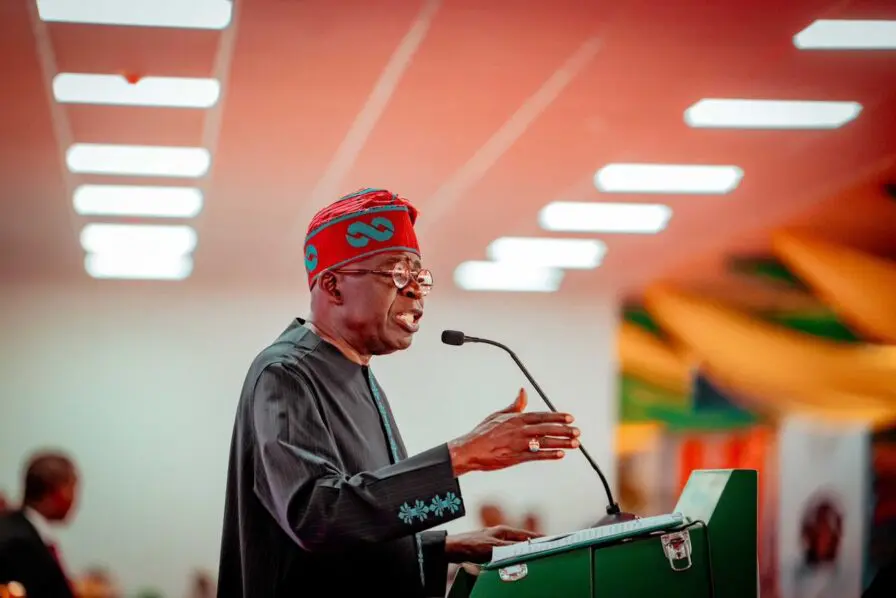
“We supported the idea when President Bola Tinubu first introduced it because we believed it would strengthen grassroots security. Today, we are pleased that the proposal has received the backing of both the President and the National Assembly,” he said.
Addressing concerns that governors could misuse state police for political purposes, the elder statesman acknowledged the risk but insisted that robust legal frameworks and operational guidelines would prevent abuse.
He added that state police commissioners must be individuals of unquestionable integrity who can operate independently of political influence.
The YCE also endorsed the call by the Ooni of Ife for traditional rulers to revive indigenous security structures, noting that community-based policing has historically proven effective in identifying and responding to security threats at the grassroots level.
On the performance of the Western Nigeria Security Network, codenamed Amotekun, the Council maintained that inadequate funding remains its greatest challenge.
The Council commended the late Ondo State Governor, Rotimi Akeredolu, for championing the establishment of Amotekun and urged Southwest governors to provide sufficient funding and equipment to enable local security outfits to function effectively.
On the economy, the Council defended President Tinubu’s reform agenda, arguing that major policy decisions require time before their benefits become visible.
It described the removal of fuel subsidy as one of the administration’s most significant decisions, adding that the responsibility now lies with state governors to prudently utilize the additional funds accruing to their states.
The Council pointed to Abia State Governor Alex Otti’s investment in electricity infrastructure as an example other governors should emulate, saying reliable power supply would boost businesses, agriculture, and industrial growth.
It also called on Southwest governors to embrace accountability and prioritize infrastructure development to restore the region’s status as Nigeria’s leading economic hub.
Speaking on the newly established Southwest Development Commission, the Council urged patience, noting that it is still too early to assess its performance.
It, however, stressed that the Commission’s success would depend largely on collaboration among Southwest governors and the implementation of a coordinated regional development blueprint.
The Council further appealed for greater unity among Yoruba socio-political and self-determination groups, saying collaboration rather than rivalry would accelerate development across the region.
On concerns raised by the United States over religious freedom in Nigeria, the Council argued that the country’s challenges are fundamentally political rather than religious and urged Nigerians to focus on national development instead of ethnic or religious divisions.
Responding to allegations that President Tinubu is steering Nigeria toward a one-party state, the Council dismissed the claims, saying political alignments should not be mistaken for attempts to undermine democracy.
It maintained that what Nigeria needs most are strong institutions, responsible governance, and leaders committed to national development.
Expressing optimism about Nigeria’s future, the Council said its greatest aspiration is for future generations to inherit a country built on quality education, integrity, discipline, and responsible leadership.
According to the Council, Nigeria possesses abundant human and natural resources and can become one of the world’s leading nations if leaders and citizens place the country’s collective interest above personal or political gains.















Comments