

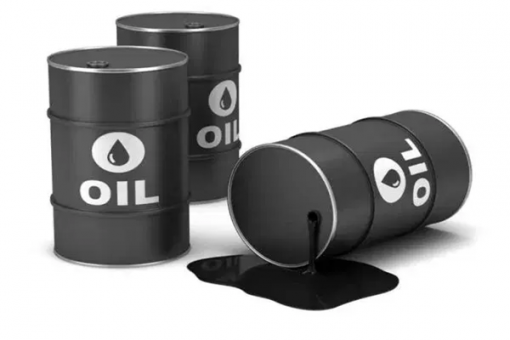
Global oil prices fell sharply on Monday after signs of easing tensions between the United States and Iran renewed optimism over a sustained ceasefire and the reopening of negotiations aimed at securing safe passage through the Strait of Hormuz.
Brent crude dropped more than seven percent during trading, briefly falling below $90 per barrel, while West Texas Intermediate (WTI) declined 5.7 percent to $84.20 a barrel. The sharp decline came after both countries signaled a willingness to avoid further military escalation.
The United States refrained from launching additional strikes over the weekend following 13 days of hostilities, with President Donald Trump’s envoy to the United Nations saying Washington was “giving talks some space.” In response, Tehran announced it would halt retaliatory attacks on regional neighbors, offering relief to Gulf shipping routes and the global energy market.
The latest developments have raised hopes that diplomatic efforts could resume after recent clashes disrupted fragile negotiations. Earlier this month, Iran attacked vessels passing through the Strait of Hormuz, prompting renewed hostilities with the United States and expanding the conflict beyond the strategic waterway.
The crisis intensified further when Iran-backed Houthi rebels in Yemen targeted Saudi vessels in the Bab al-Mandeb Strait, another critical shipping corridor linking the Red Sea to global trade routes.
The escalating conflict had pushed Brent crude above $100 per barrel last week for the first time since May amid fears of supply disruptions. However, reports that commercial shipping continued through the Red Sea, coupled with renewed diplomatic engagement, helped calm investor concerns.
Iran’s Foreign Ministry spokesman, Esmaeil Baqaei, said discussions with Oman focused on establishing “common principles and operational mechanisms” to ensure safe navigation through the Strait of Hormuz while respecting the sovereignty of all parties involved.
Meanwhile, reports indicated that Pakistan, with support from China, is exploring the possibility of reviving peace talks between Washington and Tehran.
Analysts said the market reaction reflected growing confidence that both sides are seeking to prevent further disruptions to global energy supplies.
“It looks as if developments in the Middle East have moved in a positive direction over the weekend, adding some credibility to the notion that oil above $100 a barrel seems to induce de-escalatory behaviour from both sides,” National Australia Bank strategist Sally Auld said.
The easing geopolitical tensions also reduced concerns about renewed inflationary pressures, boosting investor sentiment across global equity markets.
Asian stocks largely advanced, with gains recorded in Tokyo, Hong Kong, Shanghai, Sydney, Singapore, Mumbai and Manila. European markets also opened higher, while South Korea’s technology giants SK hynix and Samsung rebounded ahead of their earnings releases.
Investors are now closely watching earnings reports from major global technology firms, including Microsoft, Meta, Apple and Amazon, amid ongoing concerns over heavy artificial intelligence investments and future returns.
Attention is also turning to this week’s U.S. Federal Reserve policy meeting. While markets expect the central bank to leave interest rates unchanged, analysts continue to monitor inflation trends and geopolitical developments for clues on future monetary policy.
As of 0810 GMT, Brent North Sea crude traded at $90.89 per barrel, down 6.1 percent, while West Texas Intermediate stood at $84.20 per barrel, down 5.7 percent.


















Comments