

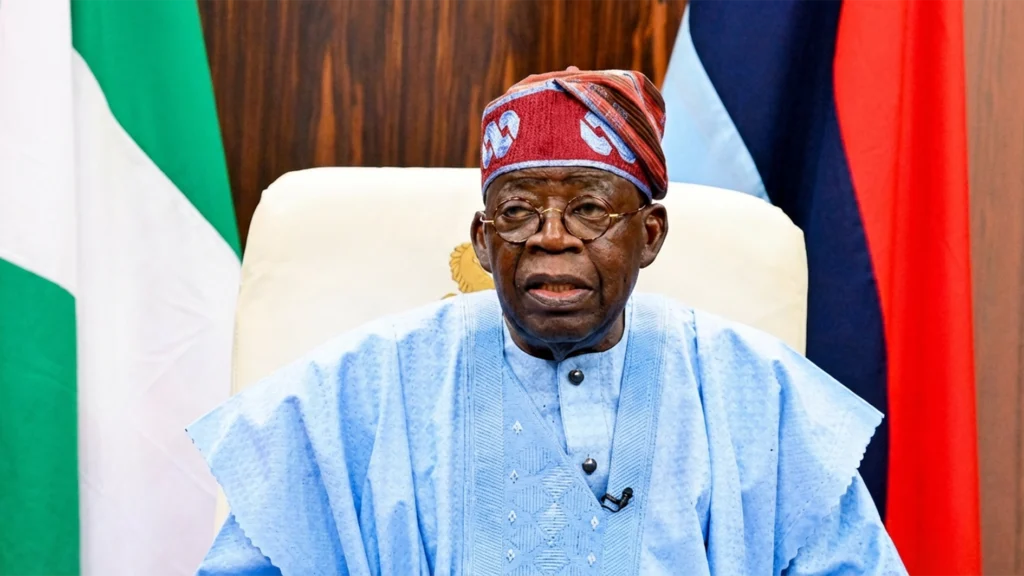
The Presidency has explained the rationale behind the Federal Government’s policy of accepting, rehabilitating, and reintegrating repentant terrorists into society, saying the approach is driven by intelligence gathering and humanitarian considerations.
Speaking on Channels Television’s Politics Today on Wednesday, the Special Adviser to the President on Policy Communication, Daniel Bwala, said many individuals associated with terrorist groups, particularly Boko Haram, were forcibly recruited as children and should not automatically be treated as hardened extremists.
According to Bwala, Boko Haram resorted to abducting children from villages to replenish its ranks as the group began losing members.
“When Boko Haram started to lose their members, they went to villages, took children into the bush, and recruited them against their will,” he said.
He explained that when such individuals escape from terrorist camps and surrender to the authorities, the government does not execute them but instead subjects them to a comprehensive profiling process.
“If a terrorist comes out and says he has repented or turned away from his conduct, the Nigerian government will take them and profile them,” Bwala stated.
He noted that the profiling process serves multiple purposes, including verifying their claims, gathering intelligence on terrorist operations, understanding their methods, and supporting future military operations against insurgent groups.
According to the presidential spokesman, information obtained from repentant terrorists has continued to assist security agencies in planning and executing counterterrorism operations.















Comments