

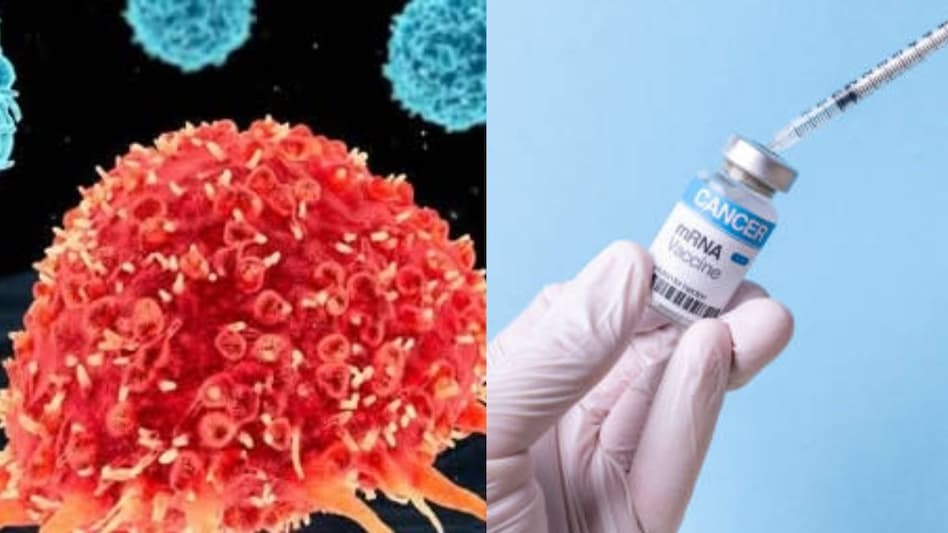
The global cancer burden is rising sharply, with 20.6 million new cases and 9.8 million deaths recorded worldwide in 2024, according to the latest GLOBOCAN report released by the International Agency for Research on Cancer (IARC).
The World Health Organisation’s specialised cancer agency warned that annual cancer cases could rise to 34 million by 2050, representing a 67 per cent increase from 2024. Cancer deaths are also projected to reach 17.5 million, nearly 80 per cent higher than the current figure.
The estimates, contained in the GLOBOCAN 2024 report, provide an assessment of cancer incidence and mortality across countries, regions, age groups and sexes.
Of the 20.6 million new cases recorded in 2024, 10.6 million occurred among men and 10 million among women. Men also accounted for 56 per cent of the estimated 9.8 million cancer deaths, compared with 44 per cent among women.
Freddie Bray, Head of IARC’s Cancer Surveillance Branch, said the figures highlighted the disproportionate impact of cancer on men.
“One in nine men and one in 13 women die from cancer,” Bray said, attributing the difference partly to variations in cancer types and the generally poorer prognosis of cancers affecting men.
The report also revealed significant geographical disparities in cancer incidence and mortality, driven by population size, ageing, exposure to risk factors and unequal access to prevention and healthcare.
China accounted for about one-quarter of global cancer cases and deaths, while Europe, despite representing only 9.2 per cent of the world’s population, accounted for more than 20 per cent of global cancer incidence.
IARC said standardised cancer incidence rates vary by as much as threefold between countries, while mortality rates can differ by up to fivefold.
Australia and Denmark recorded some of the highest incidence rates, while some of the lowest were observed in parts of sub-Saharan Africa. Mortality rates were highest in Eastern Europe and Melanesia, with certain countries experiencing particularly high burdens from specific cancers.
Lung cancer remained the leading cancer worldwide in both incidence and mortality and was identified as the leading cause of cancer death in 89 countries, particularly among men.
Breast cancer was also among the most commonly diagnosed cancers globally and remained the most frequently diagnosed cancer among women in 164 countries. It was the leading cause of cancer death among women in 122 countries.
Prostate cancer, meanwhile, was the most commonly diagnosed cancer among men in 123 countries.
IARC warned that cancer patterns are increasingly being shaped by population ageing, economic development, sex, lifestyle-related risks and infections.
In sub-Saharan Africa, breast and cervical cancers account for more than half of all cancers among women, while infection-related cancers are responsible for about 80 per cent of preventable cancers in the region.
Bray warned that the world remains far from achieving the reductions needed to contain the growing cancer burden.
“To simply maintain current numbers of cases and deaths, we would need a 2 percent decline in both incidence and mortality every year – and we are nowhere near that,” he said.
The report also identified inadequate cancer data as a major weakness in the global response. According to IARC, only one in three countries currently reports high-quality cancer incidence data, while just one in four has reliable mortality data.
The agency said the gaps make it difficult for governments to accurately assess their cancer burden, plan healthcare services, allocate resources and determine whether interventions are effective.
The Union for International Cancer Control said the latest estimates underscored the need for governments to strengthen national cancer control programmes and invest in prevention, early detection, diagnosis and treatment.
It noted that about half of cancer deaths are considered avoidable through proven interventions such as tobacco control, vaccination, screening and equitable access to effective treatment.
The WHO also released its Global Status Report on Cancer 2026, drawing on GLOBOCAN 2024 data to assess progress in the global fight against the disease.
The report found that progress remains uneven, with significant gaps in access to cancer prevention, diagnosis and treatment, particularly in countries facing health-system and financial constraints.
With cancer cases and deaths projected to continue rising, global health authorities are urging countries to intensify prevention efforts, improve early detection, strengthen cancer surveillance and expand access to affordable treatment.















Comments