

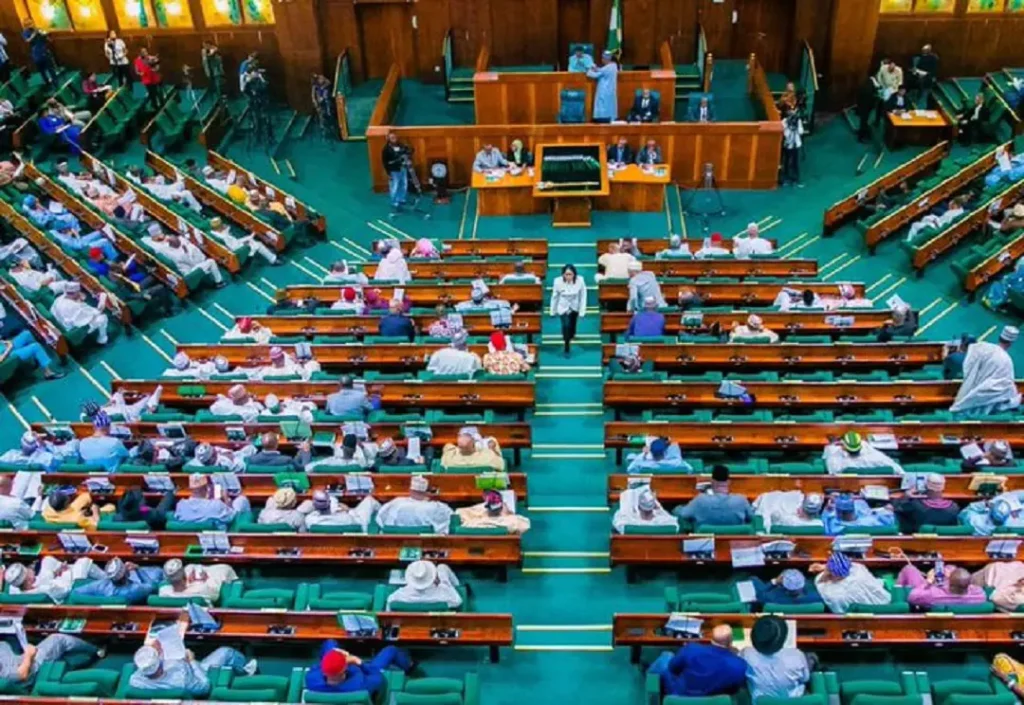
The ruling All Progressives Congress has been plunged into one of its deepest internal crises in recent years following chaotic and controversial House of Representatives primaries ahead of the 2027 general elections, with at least 26 serving lawmakers losing return tickets amid allegations of manipulation, imposition, violence and consensus engineering.
Across Rivers, Lagos, Edo, Ogun, Benue, Plateau, Ekiti, Imo, Kwara, Cross River and several other states, the exercises exposed widening cracks within the party as governors, political blocs and influential power brokers battled fiercely for control of candidacies.
The fallout has already sparked threats of litigation from aggrieved aspirants and lawmakers, many of whom insisted the primaries failed to meet democratic standards.
The APC National Publicity Secretary, Felix Morka, confirmed that 14 aspirants were disqualified during the screening exercise, saying they failed to satisfy the party’s requirements.
Among those disqualified were serving lawmakers Iduma Igariwey, Awaji-Inombek Abiante, Anderson Allison and Boma Goodhead, a development that further deepened political tensions in Rivers State.
The Rivers APC crisis reflected the broader power struggle between loyalists of Governor Siminalayi Fubara and allies of the Minister of the Federal Capital Territory, Nyesom Wike.
While several aspirants linked to Governor Fubara were screened out, figures believed to be aligned with Wike, including Felix Obuah and Senator Allwell Onyesoh, were cleared.
Party insiders accused the leadership of weaponising the screening process to settle political scores ahead of the 2027 elections.
One of the biggest shocks emerged in Edo State where House Leader, Julius Ihonvbere, lost his Owan Federal Constituency ticket to former commissioner Andrew Ijegbai.
Rejecting the outcome, Ihonvbere insisted no valid election took place.
“I did not lose the election. They did not even come to the field. They wrote some meaningless results,” he declared, while vowing to challenge the outcome through the party’s appeal process.
Another Edo lawmaker, Esosa Iyawe, also rejected his defeat, alleging intimidation, irregularities and widespread manipulation.
In Kwara State, tension escalated after lawmaker Tijani Kayode reportedly scored zero votes in a controversial exercise he described as questionable and potentially subject to litigation.
Stakeholders in the state also resisted alleged moves to secure a third Senate term for Deputy Senate Leader, Senator Lola Ashiru, insisting the process must remain transparent and democratic.
The Ogun State primaries were equally contentious as four serving House of Representatives members lost their tickets, including Deputy Chief Whip Isiaka Ibrahim.
The lawmaker accused Governor Dapo Abiodun of imposing candidates through what he described as an “affirmation process” rather than a legitimate primary election.
“There was no primary election in my federal constituency,” he alleged. “The governor only directed an affirmation of his preferred candidate.”
In Imo State, four serving lawmakers lost their return tickets during primaries conducted using the Option A4 voting system.
Despite her defeat, lawmaker Miriam Onuoha accepted the outcome and reaffirmed loyalty to Governor Hope Uzodimma and the APC leadership.
The Lagos primaries also produced major upsets as Speaker of the Lagos State House of Assembly, Mudashiru Obasa, displaced incumbent Hameed Adewale in Agege Federal Constituency.
Kafilat Ogbara also reportedly lost the Kosofe ticket in another controversial contest rejected by some aspirants.
In Ekiti State, three serving lawmakers lost their bids for return tickets, while the contest involving House spokesperson Akin Rotimi and former lawmaker Bimbo Daramola was declared inconclusive following violence and irregularities.
Several aspirants described the process as a “sham,” alleging fabricated results, exclusion of agents, voter intimidation and the absence of proper accreditation.
The crisis turned deadly in Plateau State after a resident, Sani Abdullahi, was reportedly killed during violence that erupted at the APC primary venue in Mangu Local Government Area.
Eyewitnesses said the unrest began after delays caused by the absence of electoral officers triggered protests among party youths.
Security operatives were later deployed to disperse protesters, and a stray bullet allegedly struck the victim during the chaos.
The primaries also exposed a fierce political battle in Benue State between allies of Governor Hyacinth Alia and supporters of the Secretary to the Government of the Federation, George Akume.
Governor Alia’s camp recorded sweeping victories, while several politicians aligned with Akume lost their bids.
The controversy revived internal disputes over alleged automatic ticket arrangements after Akume previously claimed that President Bola Tinubu supported automatic tickets for serving lawmakers and governors — a position publicly rejected by Governor Alia.
In several northern states including Katsina, Kebbi, Kano and Kogi, consensus arrangements largely determined outcomes, sidelining multiple incumbents and intensifying accusations that internal democracy had been undermined.
Former Kogi governor Yahaya Bello was among those cleared for the senatorial race despite widespread speculation surrounding his eligibility.
Meanwhile, in Cross River State, at least five serving lawmakers lost their tickets, underscoring the scale of incumbency losses nationwide.
However, some constituencies managed to avoid deeper crisis.
In Ikom/Boki Federal Constituency of Cross River State, direct primaries were eventually conducted after failed consensus talks, producing incumbent lawmaker Victor Abang as the APC candidate.
Stakeholders praised the exercise as peaceful and transparent, with defeated aspirants accepting the outcome and calling for unity ahead of the general elections.
Despite isolated cases of acceptance, the nationwide primaries have left the APC battling growing internal discontent, legal threats and accusations that powerful interests manipulated the process to favour preferred candidates ahead of the 2027 polls.
Political observers warn that the deepening divisions could pose a significant challenge to the ruling party’s cohesion as preparations intensify for the next general elections.










Comments