

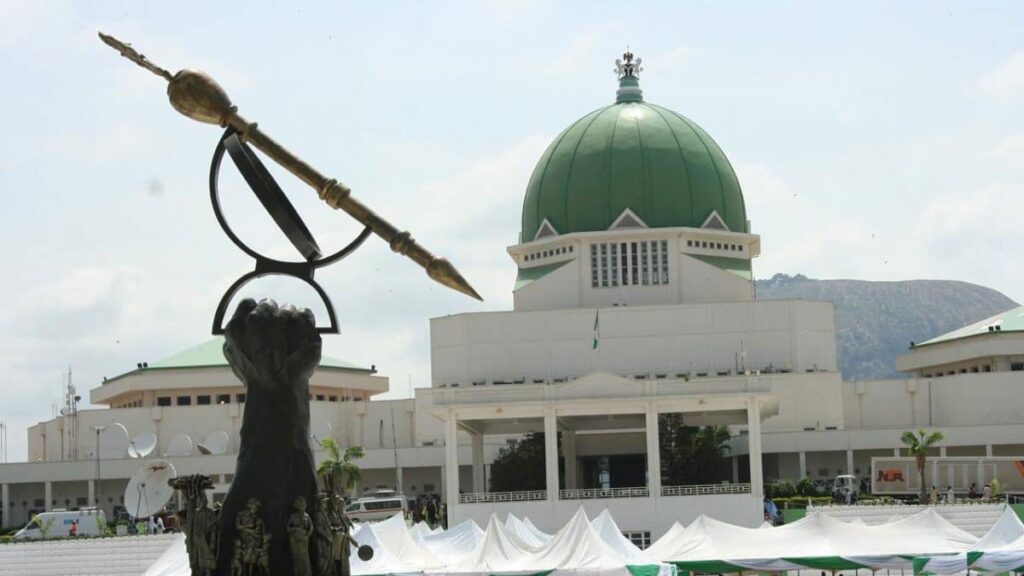
Nigeria’s National Assembly has voted to extend the implementation deadline for the capital component of the 2025 budget to December 31, marking the fourth time lawmakers have pushed back the timeline.
Senators and members of the House of Representatives returned from a six-week break on Tuesday and moved quickly to act on the matter before proceeding on a two-week recess. Senate President Godswill Akpabio and House Speaker Abbas Tajudeen read correspondence from President Bola Tinubu requesting the extension, along with several other items needing legislative attention.
The capital vote deadline had originally been set for December 31, 2025, before being pushed to March 31, then June 30, and most recently September 30, 2026 — the date it was extended past yet again.
Senate Leader Opeyemi Bamidele, leading the debate, argued that capital project execution involves multiple stages — procurement, mobilization, certification and payment — that require proper sequencing, and warned that letting the deadline lapse could jeopardize projects already underway. He stressed that the extension does not constitute new appropriation but simply gives ministries, departments and agencies more time to spend funds already released, while insisting all spending must still follow existing financial and procurement rules.
Senate Chief Whip Tahir Monguno placed blame for repeated delays on the centralized payment system run by the Office of the Accountant-General of the Federation, calling on the executive arm to reconsider the arrangement. In the House, Majority Leader Julius Ihonvbere pointed to broader economic headwinds as a factor slowing budget execution, prompting members to fast-track the bill.
Other business before the break
Beyond the budget extension, President Tinubu used the session to push forward several other requests:
- NDDC 2026 budget: Tinubu asked lawmakers to approve the Niger Delta Development Commission’s 2026 spending estimates, saying the plan prioritizes youth empowerment, energy, education, healthcare, security and agricultural productivity in line with the Renewed Hope Agenda.
- Two new bills: The president sought passage of amendments to rename and expand the mandate of the National Postgraduate Medical College, and a bill establishing a National Research and Development Fund to consolidate scattered research financing under a single agency within the Ministry of Innovation, Science and Technology.
- Appointments: Tinubu asked the Senate to confirm Abdullahi Maikano Saidu as chairman of the Fiscal Responsibility Commission, alongside three other board members; to confirm Sani Ndanusa as ambassador to The Gambia; and to approve Wakili Bukar for a second term on the Federal Civil Service Commission.
These items were referred to the relevant Senate committees — Finance, Foreign Affairs and Establishment — for further review. Both chambers have now adjourned until October 13.











Comments