

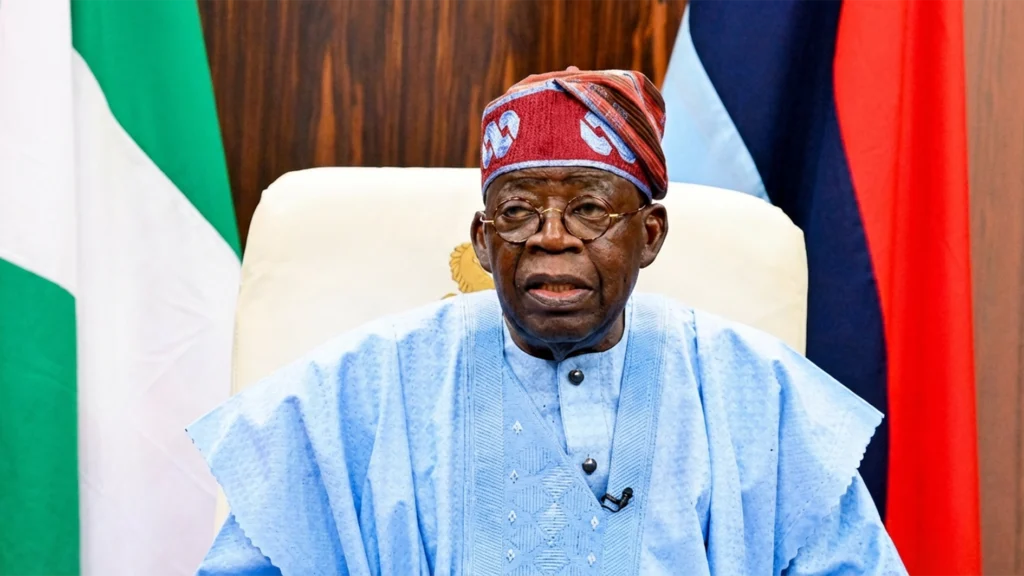
The Presidency has asserted that Nigeria should not be classified as a poor country, calling instead for a national shift in focus toward tackling inequality and addressing structural weaknesses in the economy.
Special Adviser to the President on Economic Affairs, Dr. Tope Fasua, made this position known during an appearance on Channels Television on Friday, where he emphasized the need to move beyond persistent poverty narratives.
According to Fasua, while poverty remains a reality for many Nigerians, framing the country solely through that lens risks diverting attention from actionable solutions.
“The real issue is how to solve poverty,” he said, warning that constant emphasis on hardship could hinder meaningful progress. “Nigeria is not a poor country, but we have inequality challenges. We must focus on bridging that gap.”
To support his argument, Fasua pointed to recent financial developments, including the N4.6 trillion raised by Nigerian banks for recapitalisation—about 80 percent of which, he noted, came from domestic sources. He also cited the strong profitability of telecommunications giant MTN, which reportedly derives around 40 percent of its global profits from Nigeria.
“These figures indicate that there is significant wealth within the system,” he said.
However, Fasua acknowledged that the distribution of this wealth remains uneven. He highlighted the country’s large informal sector, which he said accounts for approximately 70 percent of the economy, as a major structural challenge.
“We may have a scenario where many people are making money, while many others remain poor. That is why bridging the gap is critical,” he explained.
He added that ongoing tax reforms by the Federal Government are aimed at capturing revenue lost within the informal sector and improving national development outcomes.
“Let people pay their taxes so that we can even out income inequality and generate the resources needed to develop the country,” Fasua urged.
The presidential adviser also defended the Federal Government’s proposed 2026 budget, describing it as ambitious and necessary for driving economic growth and reform.








Comments