

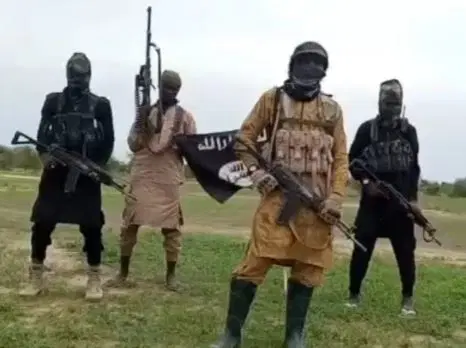
Nigeria’s ongoing insecurity crisis may be more politically driven than widely acknowledged, according to APC chieftain George Agbakahi, who has called for urgent action against those allegedly funding terrorism within the country.
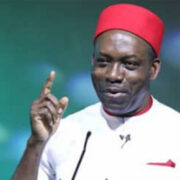
Speaking on Prime Time on Arise Television over the weekend, Agbakahi argued that the key to tackling insecurity lies not just in military action, but in identifying and prosecuting individuals sponsoring violent groups.
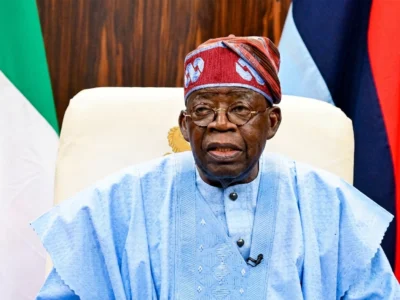
He emphasized that Nigeria’s security challenges did not originate under the current administration of Bola Ahmed Tinubu, noting that the problem has been deeply entrenched over time. However, he maintained that the present government has made notable progress in confronting the issue.
According to him, significant investments have been made in equipping the Nigerian military, with the administration providing what he described as unprecedented levels of armaments and resources since 1999.
Agbakahi pointed to persistent unrest in the North-East, particularly in Borno State and Yobe State, describing the violence in those areas as long-standing rather than recent developments. He suggested that some of these acts may be politically motivated, further complicating efforts to restore peace.
While commending the government’s collaboration with international partners, he stressed that insecurity should not be politicised. Instead, he called on Nigerians across party lines, ethnic groups, and religions to unite in addressing the threat.
On the issue of negotiations with terrorist groups, Agbakahi backed the Federal Government’s firm stance against it, arguing that such moves could encourage further attacks rather than deter them.
He also highlighted the importance of intelligence gathering and inter-agency cooperation, insisting that cutting off financial support to terrorist networks remains a critical step in ending insecurity.
“They don’t get their money fundamentally from outside the country — they get it from Nigerians,” he said, stressing the need to trace and disrupt these funding channels.
Beyond security, Agbakahi weighed in on the emerging political landscape ahead of the 2027 elections. He dismissed the proposed alliance involving Peter Obi and Rabiu Kwankwaso as ineffective, describing it as “dead on arrival” due to what he termed their largely regional influence.
He also raised questions about the roles of Atiku Abubakar and Rotimi Amaechi within the opposition framework, noting that both have shown interest in contesting the presidency.
In his view, President Tinubu remains the most formidable candidate heading into the 2027 race, citing his track record and what he described as a fragmented and directionless opposition.
Agbakahi concluded by reiterating that Nigeria’s security challenges require a united national effort — one that prioritises accountability, intelligence, and the dismantling of internal support systems fueling terrorism.











Comments