


Amupitan says the commission is working with police and the NSA to prevent disenfranchisement in volatile areas
OWERRI, Sept. 24, 2026: The Independent National Electoral Commission (INEC) has named insecurity as the biggest threat to the general elections scheduled for January and February 2027. It says it is working with security agencies so that no eligible Nigerian is prevented from voting.
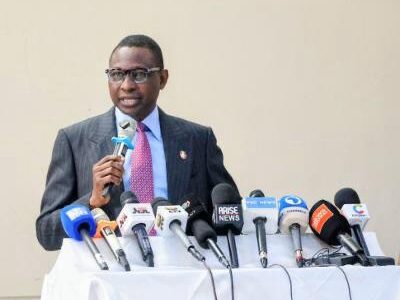
INEC Chairman Prof. Joash Amupitan, SAN, spoke on the sidelines of the sixth Conference and Retreat for Senior Police Officers in Owerri, the Imo State capital. He called insecurity “a major source of concern” and warned that violence in parts of the country could disenfranchise voters.
He said INEC is working with the police, the Office of the National Security Adviser and other agencies on strategies for conducting elections in volatile areas. The commission will also convene the Inter-Agency Consultative Committee on Election Security (ICCES) to address emerging challenges.
Vote-buying goes underground
Amupitan said vote-buying has largely moved away from polling units, so intelligence gathering is now essential to stopping it. INEC is working toward a broader task force that would include the Attorney-General of the Federation and law enforcement agencies. He stressed that the commission has no powers to arrest or investigate offenders, so enforcement rests with the security agencies.
Funding and logistics
Amupitan said adequate funding is critical for deploying personnel and materials to local government areas, wards and polling units. According to a statement from his Chief Press Secretary, Adedayo Oketola, INEC’s funding is a first-line charge on the Consolidated Revenue Fund, but its workload demands sustained support. Even where security agencies keep the peace, he warned, poor logistics can still undermine an election.
Lessons from off-cycle polls
The presidential and National Assembly elections are set for Jan. 16, 2027, and the governorship and state assembly polls for Feb. 6. Amupitan said INEC has conducted five off-cycle elections under his leadership, starting with the November 2025 Anambra governorship poll and including last week’s legislative by-elections in Gombe, Kano, Bauchi and Delta. None was declared inconclusive, and lessons from each have fed into later ones, he said.
Primaries and campaign conduct
On disputes over party primaries, Amupitan said the Electoral Act leaves them to the courts, up to the Supreme Court if necessary. INEC will abide by the outcome, he said, and such cases need not stop elections from holding. He also urged parties to run issue-based campaigns and avoid treating elections as a “do or die” affair.
Police and legal community weigh in
Amupitan urged senior police officers to maintain professional neutrality, improve intelligence gathering and strengthen inter-agency cooperation. Nigerian Bar Association President Oyinkansola Badejo-Okusanya, SAN, also called on the police to give INEC the support it needs.
Amupitan was accompanied by National Commissioners Dr. Ken Ukeagu and Rear Adm. Jamila Abubakar Malaga (rtd.), Imo Resident Electoral Commissioner Chukwuemeka Ibeziakor, and Oketola.













Comments