

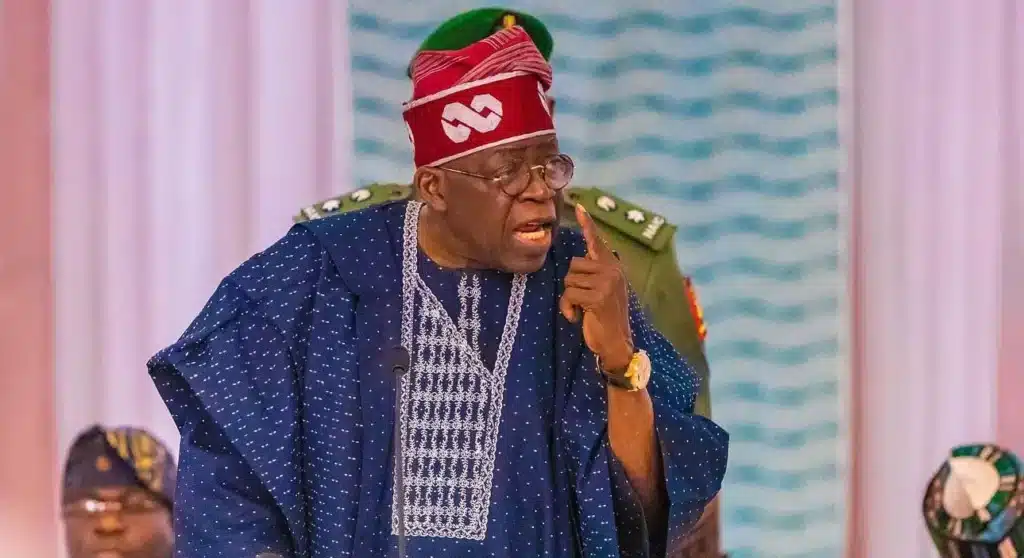
Financial analyst Kalu Aja has identified what he believes is the biggest shortcoming of President Bola Ahmed Tinubu’s economic reforms, arguing that while the policies were necessary, the government failed to provide adequate support for citizens after implementing them.
In a post shared on his X account on Saturday, Aja described the removal of the petrol subsidy and the floating of the naira in 2023 as appropriate and necessary economic decisions.
According to him, the major flaw in the implementation of the reforms was the absence of effective palliative measures to ease the hardship experienced by Nigerians.
“The FGN reforms are good. It was expedient to remove subsidy on Premium Motor Spirit and Dollar. The problem is they removed subsidy then went to sleep, no palliatives, no cushion,” Aja wrote.
President Tinubu’s administration removed the fuel subsidy in May 2023 and later floated the naira as part of broader economic reforms aimed at addressing long-standing fiscal and foreign exchange challenges.
However, the policies have triggered significant increases in the cost of living, with petrol prices rising from about ₦238 per litre in May 2023 to between ₦1,300 and ₦1,335 per litre. Similarly, the naira has depreciated from about ₦464 to around ₦1,368 against the US dollar.
The economic reforms continue to generate widespread debate, with supporters describing them as essential for long-term economic stability, while critics argue that the government has not done enough to protect Nigerians from their immediate impact.














Comments