

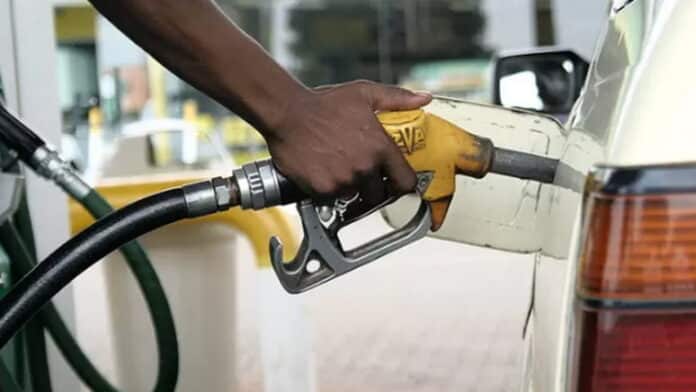
Motorists across Nigeria may soon pay more for petrol as fuel importers have raised the depot price of Premium Motor Spirit (PMS) from N1,230 to N1,350 per litre, signaling a fresh increase in pump prices.
Industry sources disclosed that marketers were notified of the new depot price on Thursday, with the adjustment expected to take effect from July 17, 2026.
The increase is attributed to the rising cost of imported petrol cargoes, following the Nigerian Midstream and Downstream Petroleum Regulatory Authority (NMDPRA)‘s issuance of fresh fuel import licences for the third quarter of 2026.
The new licences authorize selected marketers to import petrol and diesel between July and September 2026. According to market intelligence firm Argus, petrol import approvals were granted to AA Rano, AYM Shafa, Bono, NIPCO, and Pinnacle, while AA Rano, AYM Shafa, Bono, Matrix, and Pinnacle received approvals to import diesel.
The latest price adjustment comes amid renewed geopolitical tensions following the resumption of the US-Iran conflict, which has disrupted shipping activities through the Strait of Hormuz, a critical global oil transit route. The disruption has pushed up the cost of imported petroleum products.
Industry stakeholders say the increase contradicts the government’s objective of expanding import licences to boost competition and stabilize domestic fuel prices.
“The expectation was that additional import licences would encourage competition and provide consumers with more pricing options. Instead, importers are announcing higher prices that will ultimately be passed on to Nigerians,” an industry source said.
A petroleum products marketer also noted that filling stations relying on imported fuel would have no option but to adjust their pump prices to reflect the higher landing costs.
However, the marketer added that petroleum products supplied by the Dangote Refinery remain comparatively cheaper, offering some relief to retailers and consumers.
The latest development is expected to place additional pressure on households and businesses already grappling with rising living costs, as higher fuel prices are likely to trigger increases in transportation fares and the cost of goods and services.

















Comments