


The Peoples Democratic Party (PDP) has thrown its weight behind the proposed establishment of state police, insisting that political concerns should not derail efforts to address Nigeria’s worsening security crisis through a decentralised policing system.
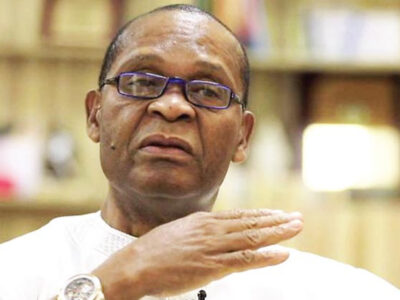
Speaking with Vanguard on Friday, the party’s National Publicity Secretary, Jungudo Haruna Mohammed, said the PDP shared the concerns of millions of Nigerians over the country’s persistent insecurity and would support any initiative capable of restoring peace and protecting lives.
According to him, political considerations must not be allowed to hinder reforms aimed at strengthening the nation’s security architecture.
“We cannot allow political considerations to prevent us from embracing initiatives that will strengthen national security,” Mohammed said.
He argued that a well-structured state policing system would empower local communities to play a more active role in safeguarding their environments, thereby improving the country’s overall security.
“We believe that, if properly established and safeguarded against abuse, state police will help reduce insecurity. Local communities should take responsibility for protecting their environments from those seeking to destabilise them. In the long run, this will make Nigeria a more peaceful and secure country,” he stated.
While acknowledging fears that state police could be exploited by politicians, Mohammed maintained that such risks should not outweigh the potential benefits of the initiative.
“While I agree that politicians could misuse state police, such abuse is likely to occur mainly during election periods, which come around only once every four years,” he added.
The PDP spokesman also cited countries operating federal systems with decentralised policing, including the United States, as examples Nigeria could learn from if the policy is implemented with transparency and adequate safeguards.
“Countries such as the United States operate state police systems, so this is a welcome development. We hope the implementation of state policing will be guided by extensive public sensitisation, transparency and accountability.
“However, we urge our leaders to administer the state police with the fear of God. They must also embrace technology in the fight against insecurity. That is non-negotiable and remains the position of our party,” Mohammed said.

















Comments