

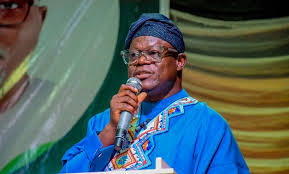
IBADAN, Nigeria — A chieftain of the Peoples Democratic Party (PDP) in Oyo State, Dr. Jelili Akinola, has identified corruption as the greatest obstacle to Nigeria’s development, saying decades of democratic governance have been undermined by the persistent diversion of public resources.
Speaking in an interview with the News Agency of Nigeria (NAN) in Ibadan on Thursday, Akinola assessed Nigeria’s 27 years of uninterrupted democratic rule, describing the journey as one marked by both notable achievements and missed opportunities.
According to him, while the country has made considerable progress since the return to civilian rule in 1999, widespread corruption continues to slow growth in critical sectors such as infrastructure, healthcare, education, and security.
“Nigeria has recorded significant achievements compared to the state of affairs before 1999, but the way public funds keep disappearing into private pockets is hindering the nation’s progress,” he said.
Akinola noted that years of financial mismanagement and the diversion of public funds have weakened efforts to improve citizens’ welfare and accelerate national development.
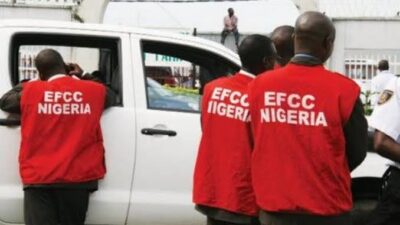
He called on the Federal Government to strengthen anti-corruption institutions, including the Economic and Financial Crimes Commission (EFCC), the Independent Corrupt Practices and Other Related Offences Commission (ICPC), and the Code of Conduct Bureau, while ensuring that corrupt officials are prosecuted without bias or political considerations.
The PDP stalwart stressed that political will, transparency, and accountability remain essential for Nigeria to achieve its development aspirations.
He also urged citizens to actively demand accountability from elected leaders, warning that voter apathy creates an environment where poor governance can thrive.
“Development starts with honest leadership and a people who refuse to accept excuses for stolen money,” he stated.
Reflecting on Nigeria’s democratic journey, Akinola acknowledged that democratic consolidation has not been without challenges but maintained that the country has made irreversible gains since the end of military rule.
According to him, one of the most significant achievements of the Fourth Republic is the establishment of a culture of regular elections and peaceful transitions of power.
“Since 1999, we have moved from one civilian government to another without military interruption. That alone is consolidation.
“Nigerians now expect elections every four years, and that expectation was not there before,” he said.
However, he argued that the quality of democracy in the country remains weak and requires deliberate efforts to strengthen democratic institutions and civic participation.
Akinola further called on the National Orientation Agency (NOA) to intensify nationwide campaigns promoting patriotism, integrity, and anti-corruption values among citizens.
He also urged political leaders to govern with sincerity, accountability, and the fear of God, adding that leadership by example is crucial to rebuilding public trust.
On the nation’s security challenges, Akinola advocated greater collaboration among government agencies, security institutions, and citizens, stressing that sustainable development cannot be achieved in an atmosphere of insecurity.
“No meaningful development can take place where insecurity persists. Tackling the challenge requires collective effort and commitment from all stakeholders,” he added.












Comments