

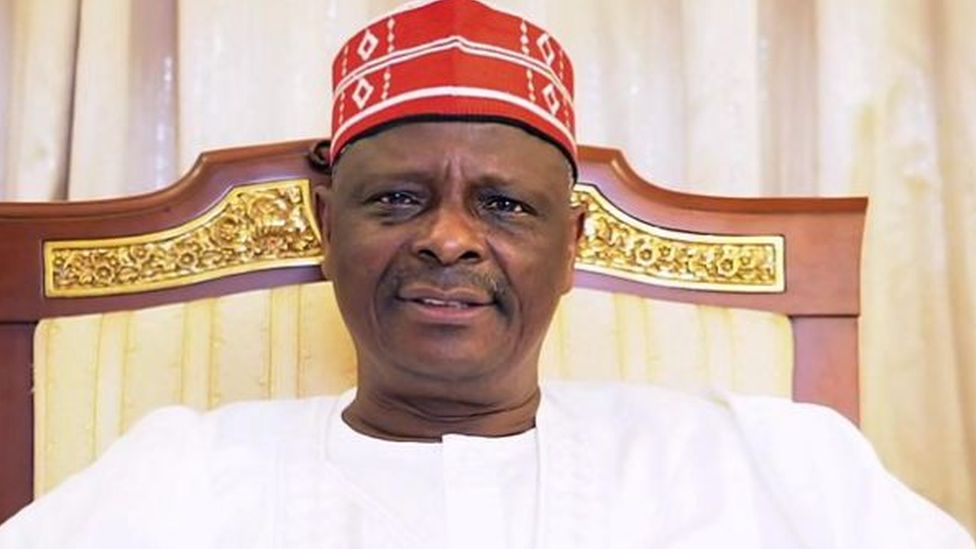
The National Secretary of the New Nigeria People’s Party (NNPP), Dipo Olayoku, has described the resignation of former Kano State governor, Rabiu Musa Kwankwaso, as a predictable outcome of prolonged internal disagreements, rather than a sudden political shift.
Speaking during an interview on Frontline, a current affairs programme on Eagle 102.5 FM in Ilese-Ijebu, Ogun State, Olayoku said the development had been anticipated by party leadership due to deep-rooted ideological and strategic differences within the NNPP.
Kwankwaso officially resigned from the NNPP on March 29, 2026, citing the need for “strategic realignment,” and is set to join the African Democratic Congress (ADC), a move widely seen as part of a broader opposition coalition ahead of the 2027 general elections.
Olayoku explained that tensions within the party had been building for months, particularly around issues of political direction, leadership alignment, and survival strategies in Nigeria’s evolving political landscape. According to him, disagreements over whether the party should align with the ruling bloc or maintain an independent opposition stance created a widening gap among key stakeholders.
He noted that these divisions were not merely tactical but reflected fundamental differences in governance philosophy and political identity, making continued collaboration increasingly difficult.
The NNPP scribe further highlighted that earlier defections within the party, including at the state level, had already signaled cracks in its structure. These developments, he said, intensified internal strain and accelerated the eventual split.
Kwankwaso’s move is expected to significantly impact the NNPP, particularly due to the influence of his Kwankwasiyya Movement—a loyal grassroots political base known for following his political direction. Olayoku acknowledged that the movement’s allegiance is primarily to Kwankwaso, suggesting that many supporters may migrate with him to the ADC.
Despite the setback, Olayoku maintained that the NNPP remains resilient and structurally sound. He emphasized that the party, founded in 2002, predates Kwankwaso’s involvement and retains the capacity to rebuild and attract new members.
While acknowledging Kwankwaso’s pivotal role in elevating the party’s national profile during the 2023 elections—where it secured key political positions—he expressed confidence in the NNPP’s future growth.
Meanwhile, NNPP National Publicity Secretary, Ladipo Johnson, revealed that the party is considering an alliance with the ADC for the 2027 presidential election, signaling a possible shift in opposition dynamics despite Kwankwaso’s departure.
Political analysts view the defection as a strategic recalibration that could reshape Nigeria’s opposition landscape, particularly as coalition-building efforts intensify ahead of the next general elections.











Comments