

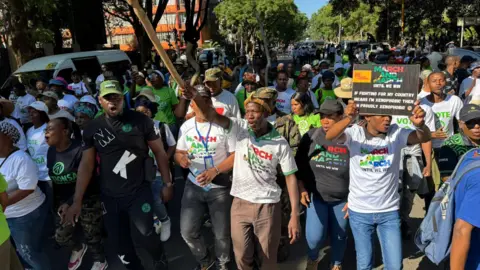
Diplomatic tensions across Africa are escalating as several countries move to confront South Africa over a fresh wave of xenophobic violence targeting foreign nationals, particularly Nigerians.
The unrest, which broke out between April 27 and 29, 2026, in cities including Pretoria and Johannesburg, has triggered widespread condemnation and raised fears of a broader regional fallout. Protesters, citing concerns over illegal immigration, reportedly targeted migrants accused of undercutting wages, dominating informal trade, and engaging in criminal activities—claims that law enforcement data has not established as a nationwide pattern.
Although no country has formally closed its borders to South Africa, threats of retaliatory measures—including trade suspensions, stricter border controls, and economic restrictions—are gaining momentum. Analysts warn that the situation represents the most significant diplomatic strain on the continent since the end of apartheid.
Nigeria and Ghana have taken the lead in diplomatic protests. Abuja has summoned South Africa’s High Commissioner, demanding immediate and concrete action to safeguard Nigerian citizens and their businesses. The Federal Government has also initiated voluntary evacuation plans, with at least 130 Nigerians already registered for repatriation as of May 3. Officials expect that number to rise amid planned demonstrations scheduled for May 4–8.
Nigeria’s Ministry of Foreign Affairs underscored the country’s historical support for South Africa during the anti-apartheid struggle, describing the current attacks as a betrayal of longstanding African solidarity. “Nigerian lives and businesses must not continue to be put at risk,” a ministry spokesperson stated, adding that further diplomatic measures remain under consideration if the violence persists.
Ghana has similarly summoned South Africa’s acting High Commissioner following reports of harassment involving its citizens. Authorities in Accra condemned the incidents and signaled coordination with regional partners to address the crisis.
Elsewhere, reactions have been more forceful. Tanzania has reportedly issued a 48-hour ultimatum for South African nationals to leave its territory, alongside suspending air and maritime trade. Botswana is also considering sealing its land borders and restricting electricity supply, while Mozambique is reviewing potential disruptions at the key Ressano Garcia border crossing, a vital trade route between the two nations.
Leaders across the region have invoked historical ties, emphasizing the support many African countries provided South Africa during its liberation struggle. The growing sentiment suggests a shift toward leveraging economic and diplomatic tools to compel stronger action from Pretoria.
South African authorities have condemned the violence, with President Cyril Ramaphosa reiterating that criminal acts and vigilantism will not be tolerated. However, concerns remain high. Nigerian officials point to more than 118 citizens reportedly killed in xenophobic incidents between 2015 and 2026, arguing that firm and sustained measures are urgently needed to prevent further attacks.
As tensions mount, the crisis threatens not only the safety of migrants but also the stability of regional relations, placing renewed pressure on South Africa to restore confidence and uphold its commitments to the protection of all residents within its borders.

















Comments