

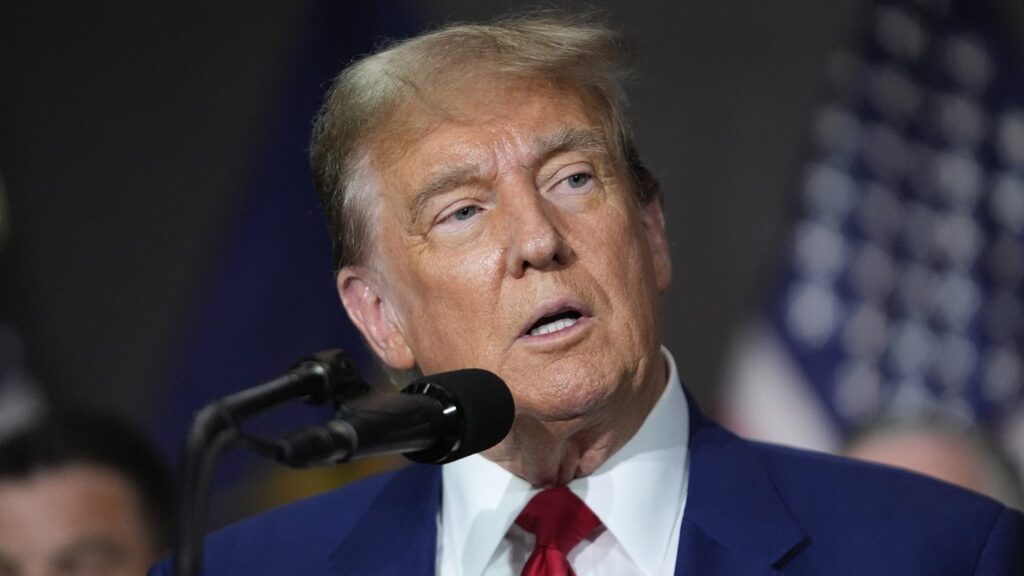
The United States has intensified its standoff with Iran, with President Donald Trump warning Tehran to swiftly comply with Washington’s demands for stricter controls on its nuclear programme amid a tightening US naval blockade.
In a strongly worded message posted on his social media platform, Trump urged Iran to “get smart soon,” signaling a hardline stance as tensions between both nations continue to escalate. The post featured a provocative image reinforcing his administration’s tougher posture toward Tehran.
According to reports by the Wall Street Journal, the US president has already rejected Iran’s latest proposal to reopen the Strait of Hormuz, a critical global shipping route for oil and gas. Instead, Washington is reportedly set to maintain its blockade of Iranian ports until Tehran agrees to dismantle its nuclear capabilities.
The blockade comes as Iran itself has restricted access to the Strait of Hormuz following the outbreak of hostilities with the US and Israel two months ago. The disruption has sent shockwaves through global energy markets, pushing oil prices upward while worsening economic conditions within Iran.
On Wednesday, the Iranian rial plunged to historic lows against the US dollar, reflecting deepening economic distress. Iranian citizens have expressed growing frustration, with many blaming repeated negotiations for worsening sanctions and declining living standards.
Speaking during a White House state dinner, Trump claimed Iran had been “militarily defeated” and reiterated his administration’s position that Tehran must never acquire nuclear weapons.
However, Iranian officials have dismissed such claims. A military spokesperson stated that Iran does not consider the conflict over and emphasized a lack of trust in the United States, warning that Tehran still possesses “many cards” and could respond decisively if tensions escalate further.
Diplomatic efforts to resolve the crisis appear stalled. Iran’s latest proposal reportedly included conditions for easing restrictions in the Strait of Hormuz and mutual de-escalation measures, but US officials have shown little willingness to compromise.
Meanwhile, concerns are mounting globally over the risk of a prolonged or “frozen” conflict. Qatar, a key US ally and regional mediator, has warned that failure to reach a definitive agreement could entrench instability in the region.
The situation is also creating political pressure within the United States, where rising oil prices and economic concerns are fueling public discontent ahead of upcoming midterm elections.
European leaders have begun to question Washington’s strategy. German Chancellor Friedrich Merz criticized the US approach as lacking clear direction, a remark Trump swiftly rebuked.
Beyond Iran, the conflict continues to spill into neighboring regions. In Lebanon, violence has persisted despite a ceasefire between Israel and Hezbollah, with recent strikes reportedly wounding and killing Lebanese soldiers.
As diplomatic channels remain strained and military tensions simmer, the prospect of a broader regional crisis looms, with global economic and security implications hanging in the balance.













Comments