

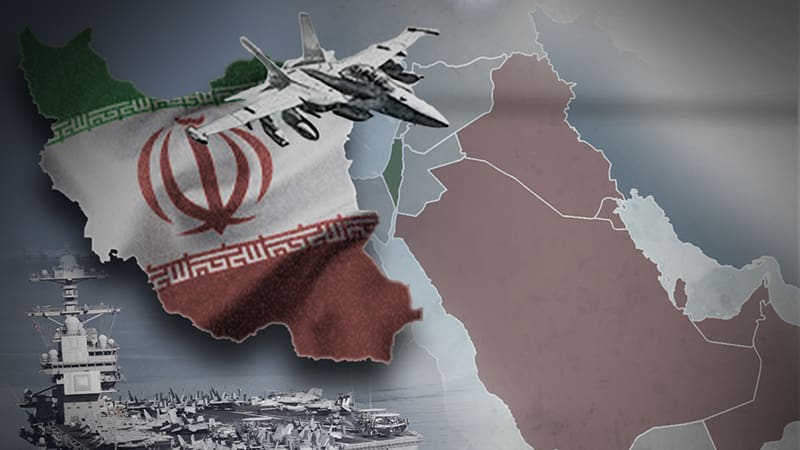
Global pressure mounted on Tehran on Tuesday as fears of a wider Middle East conflict intensified following renewed hostilities that have threatened a fragile ceasefire in the region.
The latest escalation comes after Iran and the United States exchanged fire around the strategic Strait of Hormuz, a vital global oil corridor. The United Arab Emirates also reported being targeted by Iranian missile and drone attacks for the first time since a truce was declared nearly a month ago, raising alarm among international stakeholders.
Diplomatic efforts between Washington and Tehran have remained stalled since the ceasefire, with the United States twice cancelling planned high-level talks in Pakistan. Despite mounting calls for dialogue, both sides appear entrenched in their positions, further complicating prospects for de-escalation.
Iran has firmly stated it will not relinquish control over the Strait of Hormuz, a narrow waterway through which roughly one-fifth of global oil supply once passed before hostilities erupted following US and Israeli strikes on Iran on February 28.
European leaders have joined the chorus urging restraint. German Chancellor Friedrich Merz called on Tehran to “return to the negotiating table,” warning against actions that could destabilize the global order. His position was echoed by French President Emmanuel Macron and British Prime Minister Keir Starmer, all advocating for a diplomatic resolution.
Saudi Arabia, whose energy infrastructure has previously come under attack, also appealed for calm, emphasizing the need for political solutions through dialogue.
Meanwhile, the United States claimed its forces had destroyed at least six Iranian vessels during recent encounters. Tehran, however, denied the loss of any military assets and accused Washington of causing civilian casualties in the process.
The situation further deteriorated as the UAE described incoming Iranian missile and drone strikes as a “dangerous escalation.” Authorities confirmed that an energy facility in Fujairah was hit, injuring three foreign nationals. Several projectiles were intercepted, while others fell harmlessly into the sea.
Iranian officials stopped short of fully acknowledging responsibility but suggested the attacks were triggered by US military actions aimed at forcing maritime access through the Strait of Hormuz.
Iran’s Foreign Minister, Abbas Araghchi, reiterated that the crisis has no military solution, warning against further escalation and urging renewed diplomatic engagement.
On the US side, President Donald Trump announced a new initiative, “Project Freedom,” aimed at facilitating safe passage for neutral vessels trapped in the Gulf. However, details of the operation remain unclear, and Iranian authorities have disputed US claims that commercial ships have resumed transit through the strait.
The broader implications are already being felt globally. Oil prices surged sharply following the attacks, intensifying economic pressures and adding to political challenges in Washington ahead of upcoming congressional elections.
Beyond the Gulf, tensions are also rising in Lebanon, where clashes between Israeli forces and Hezbollah have strained a separate ceasefire. Continued violence in the region underscores the fragile nature of existing agreements and the risk of a broader regional conflict.
As diplomatic channels remain stalled, the international community faces increasing urgency to prevent further escalation and restore stability in one of the world’s most critical geopolitical regions.















Comments