

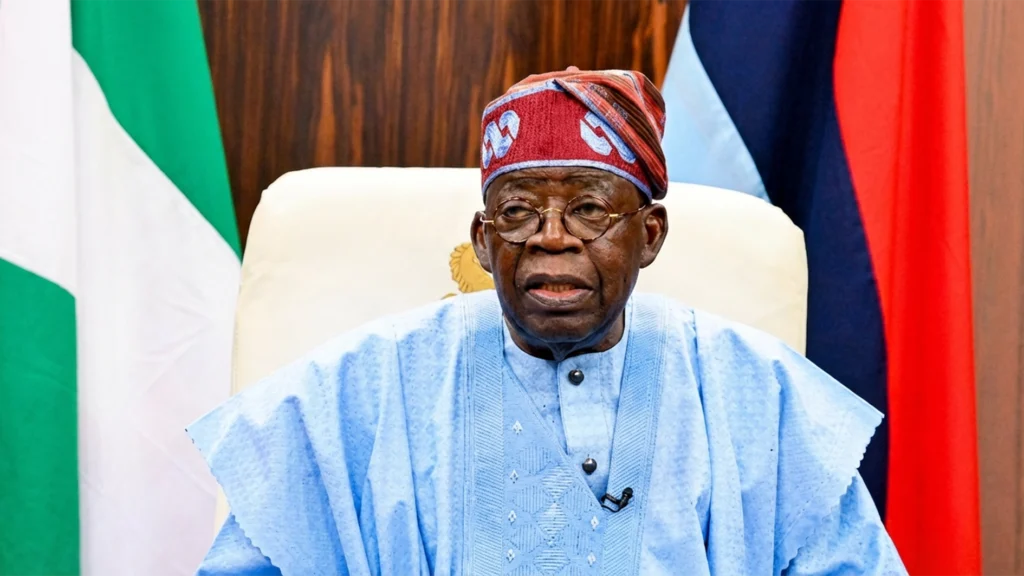
Transparency advocate and human rights activist, Rafsanjani, has questioned the Federal Government’s decision to provide Nigerians with a N50,000 cash grant, describing the intervention as potentially politically motivated ahead of the 2027 general elections.
Rafsanjani expressed concern over the timing of the programme, arguing that the government’s decision to introduce the intervention shortly before another election cycle raises questions about its actual intentions.
He maintained that the initiative appeared more like a political strategy to secure public support than a well-structured poverty reduction programme.
According to him, the N50,000 payment would do little to address the economic hardship facing Nigerians amid rising inflation and the increasing cost of living.
He recalled that the government did not introduce similar relief measures three and a half years ago when Nigerians were experiencing severe hardship following the implementation of its economic policies.
Rafsanjani said the timing of the intervention suggested that the government was more concerned about electoral support than providing sustainable solutions to poverty.
The activist also faulted the Federal Government for allegedly failing to establish a transparent framework for the distribution of the funds.
He questioned the duration of the programme, its funding source, the criteria for selecting beneficiaries and the mechanisms put in place to monitor the disbursement.
He further raised constitutional concerns over the expenditure, insisting that any public funds spent by the government must receive the necessary legislative appropriation.
Rafsanjani questioned whether the National Assembly had approved the N50,000 intervention and demanded clarification on the legal basis for the expenditure.
He also warned that the absence of clear accountability mechanisms could expose the programme to mismanagement, diversion of funds and possible corruption.
Despite his reservations, the transparency advocate acknowledged that any government intervention capable of providing genuine relief to Nigerians struggling with economic difficulties was welcome.
However, he insisted that the proposed N50,000 payment was inadequate to tackle the country’s broader poverty crisis and rising cost-of-living challenges.
He called on the Federal Government to provide Nigerians with clear information about the programme, particularly its funding, implementation process and accountability framework, to ensure that the intervention delivers meaningful benefits to intended beneficiaries.








Comments