

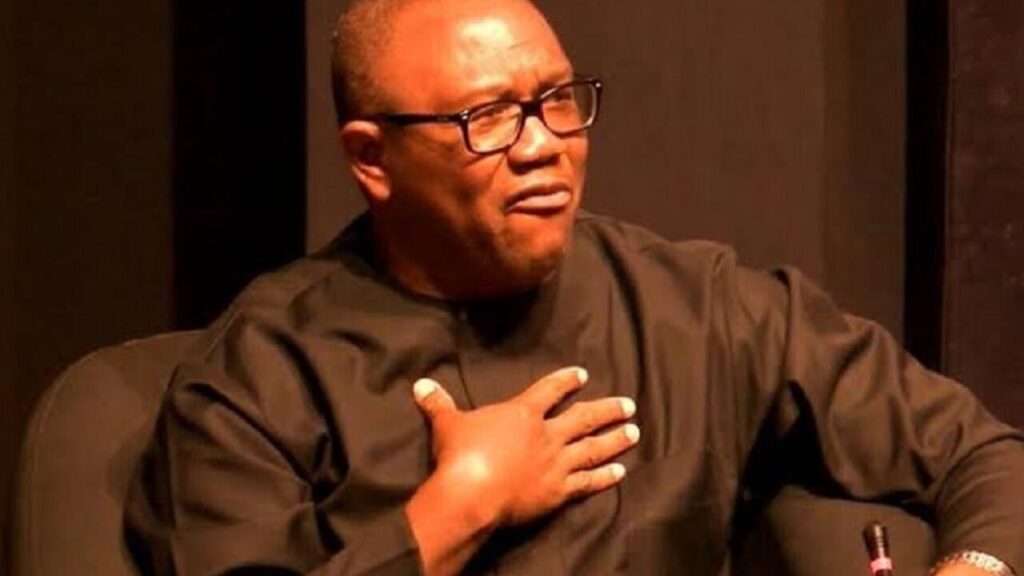
Nigeria’s political landscape witnessed a significant shake-up over the weekend as former Anambra State governor, Peter Obi, and former Kano State governor, Musa Kwankwaso, formally defected from the African Democratic Congress (ADC) to the Nigeria Democratic Congress (NDC).
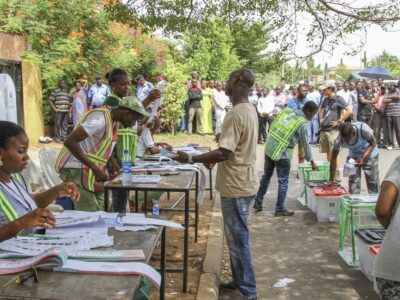
Their defection, alongside several high-profile politicians, has intensified political realignments across parties as stakeholders race to meet the Independent National Electoral Commission (INEC) May 10 deadline for submission of party membership registers ahead of the 2027 general elections.
The development follows a recent ruling by the Supreme Court of Nigeria, which has reportedly heightened uncertainty within major opposition platforms, including the ADC and the Peoples Democratic Party (PDP). In response, several political actors have begun seeking alternative platforms to secure eligibility for the upcoming elections.
At a strategic meeting held in Abuja, Obi and Kwankwaso were received into the NDC by the party’s national leadership, including former Bayelsa State governor, Seriake Dickson. The closed-door engagement culminated in their formal registration as members of the party.
Speaking after the meeting, Obi attributed his decision to the worsening internal crises and legal disputes within opposition parties, which he said have stalled progress and distracted from addressing pressing national issues. He called for a shift in focus toward tackling poverty, insecurity, and economic hardship, stressing the need for unity and inclusive governance.
Kwankwaso, in his remarks, described the NDC as a platform for social development, emphasizing the importance of education, youth empowerment, and national cohesion. He urged political aspirants to take advantage of the limited registration window to participate in the electoral process.
The NDC leadership, led by Dickson and National Chairman Moses Cleopas, described the influx of new members as a sign of growing confidence in the party’s vision. They assured defectors of transparency and inclusiveness in party affairs.
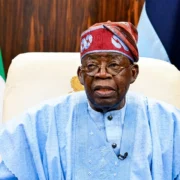
Meanwhile, the Presidency has criticised Obi’s defection, with presidential spokesman Bayo Onanuga describing him as a “political nomad” and questioning the rationale behind his frequent party switches.
In contrast, former lawmaker Victor Ogene defended Obi, alleging that opposition parties have been deliberately destabilised to weaken his political prospects ahead of 2027.
The wave of defections extended beyond the ADC, with politicians from the All Progressives Congress (APC), Peoples Redemption Party (PRP), and New Nigeria Peoples Party (NNPP) also joining the NDC. Among them are former lawmaker Ehiozuwa Agbonayinma, Babatunde Alli, and Mohammed Sani Yahaya.
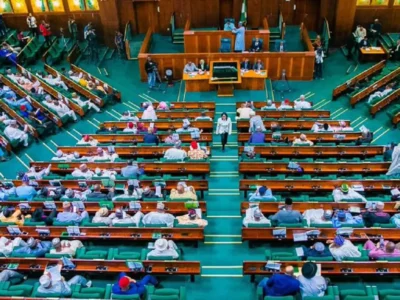
Observers note that the current wave of defections is likely to alter the configuration of seats in the National Assembly, as lawmakers reposition themselves within emerging political alliances.
In a related development, a civil society group has called for an investigation into alleged dual party membership involving a legal adviser listed under both the Allied Peoples Movement (APM) and the NDC, citing potential violations of electoral laws. INEC officials have indicated that the matter is being reviewed and appropriate updates will be made.
With political parties intensifying preparations for primaries and national conventions, analysts say the coming days will be decisive in shaping alliances and determining the structure of the 2027 electoral contest.












Comments