

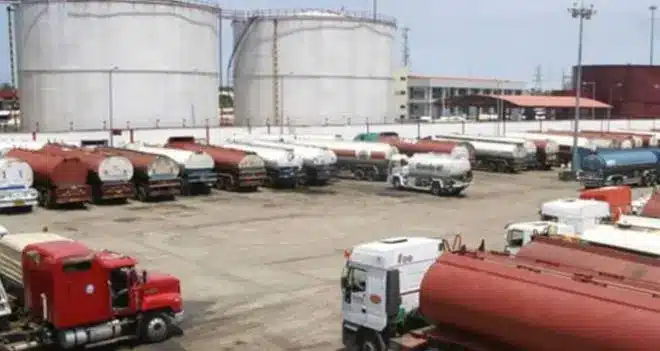
Abuja, Nigeria — The Nigerian Upstream Petroleum Regulatory Commission (NUPRC) has assured stakeholders that the country’s oil and gas production remains stable and unaffected despite a nationwide strike action by protesting workers that has disrupted administrative operations across its offices.
The industrial action, led by members of the Petroleum and Natural Gas Senior Staff Association of Nigeria (PENGASSAN), resulted in the shutdown of the commission’s offices nationwide, including its headquarters in Abuja, where workers blocked access to the facility over allegations of irregularities in foreign training placements.
Reacting to the development on Monday, the Head of Corporate Communications and Media at NUPRC, Mr. Eniola Akinkuotu, acknowledged that administrative activities had been affected but stressed that critical operations within the oil and gas sector remained fully functional.
“It is true that some administrative activities were affected today due to industrial action taken by the unions. However, this has not in any way impacted activities in oil and gas facilities or production in general,” Akinkuotu said.
He added that the commission’s top management had commenced discussions with union leaders to resolve the dispute and restore normal operations.
“The top management of the commission is meeting with the unions in order to put an end to the strike and ultimately restore normalcy,” he stated.
According to Akinkuotu, regulatory oversight functions and field monitoring activities continue uninterrupted despite the ongoing labour action.
Sources familiar with the dispute disclosed that negotiations between management and workers broke down over disagreements regarding overseas training opportunities for staff.
The workers reportedly opposed management’s decision to prioritise local training programmes over foreign capacity-building initiatives, arguing that international exposure remains essential for professional development and technical competence.
However, NUPRC management maintained that conducting specialised training within Nigeria would significantly reduce operational costs while strengthening local institutional capacity.
Part of the disagreement reportedly centres on training programmes linked to Factory Acceptance Tests for Positive Displacement (PD) meters, which management insists can be effectively carried out domestically rather than overseas.
The deadlock has heightened concerns about the potential impact of a prolonged strike on the commission’s regulatory activities, although officials insist that core operational functions within the nation’s oil and gas industry remain unaffected.
Efforts to reach a lasting resolution are ongoing as stakeholders closely monitor developments within the sector.
















Comments