

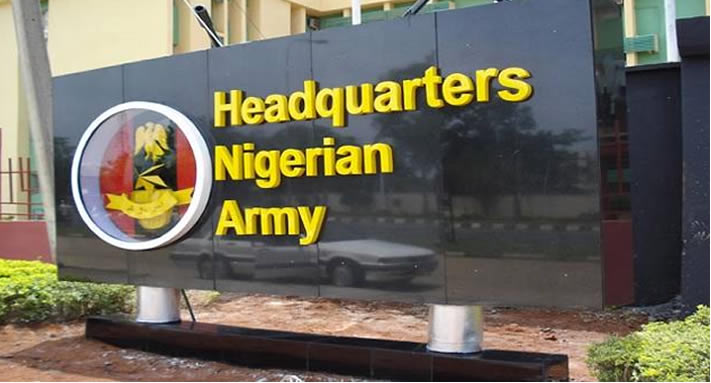
ABUJA — The Defence Headquarters (DHQ) has said that the strategic military partnership between Nigeria and the United States has significantly weakened the operational capabilities of the Islamic State of West Africa Province (ISWAP) and other terrorist groups operating in the region.
The Director of Defence Information, Major General Samaila Uba, disclosed this on Tuesday during an X Spaces engagement focused on strengthening security through strategic information sharing and the Nigeria-U.S. military partnership in the fight against terrorism.
According to Uba, the collaboration has enhanced intelligence sharing, capacity building, strategic communication, logistics support, and overall operational effectiveness in Nigeria’s counter-terrorism campaign.
He noted that terrorism remains a transnational threat that can only be effectively tackled through intelligence cooperation, technological innovation, strategic communication, and strong international partnerships.
Uba revealed that recent joint efforts between both countries have led to intelligence-driven operations that disrupted terrorist networks, destroyed enclaves, and dismantled critical logistics infrastructure used by insurgents.
He added that the partnership has strengthened surveillance and reconnaissance capabilities while improving the operational readiness of Nigerian troops through specialised training programmes.
The Defence spokesman expressed appreciation to the United States Government and the United States Africa Command (AFRICOM) for their continued support in combating terrorism and violent extremism across the region.
He also commended President Bola Ahmed Tinubu for providing the Armed Forces of Nigeria with the equipment, platforms, and resources required to sustain ongoing military operations.
Speaking during the engagement, AFRICOM Director of Public Affairs, Colonel Rebecca Heyse, said joint counter-terrorism operations conducted by Nigerian and U.S. forces have delivered significant setbacks to ISIS activities in West Africa.
According to Heyse, the operations, which began on May 16, followed months of meticulous planning and intelligence sharing between both nations.
She disclosed that the coordinated offensive resulted in the elimination of Abu Bilal al-Minuki, identified as ISIS’ global second-in-command, along with several key operational and media leaders within the terrorist network.
Heyse further revealed that more than 200 ISIS fighters were neutralised during the operations, while terrorist checkpoints, weapons caches, logistics hubs, and training facilities were destroyed.
The operations also disrupted financial channels and media structures that supported terrorist activities across Nigeria and the wider region, she added.
She attributed the success of the mission to close military cooperation, effective intelligence sharing, and the professionalism of Nigerian security forces.
Reaffirming Washington’s commitment to supporting Nigeria’s security efforts, Heyse stated that the partnership is founded on respect for Nigeria’s sovereignty and demonstrates the effectiveness of international collaboration in confronting terrorism.
Both Nigerian and U.S. officials stressed that sustained intelligence sharing, strategic communication, and public engagement remain critical to consolidating gains made against terrorism and ensuring long-term regional stability.









Comments