

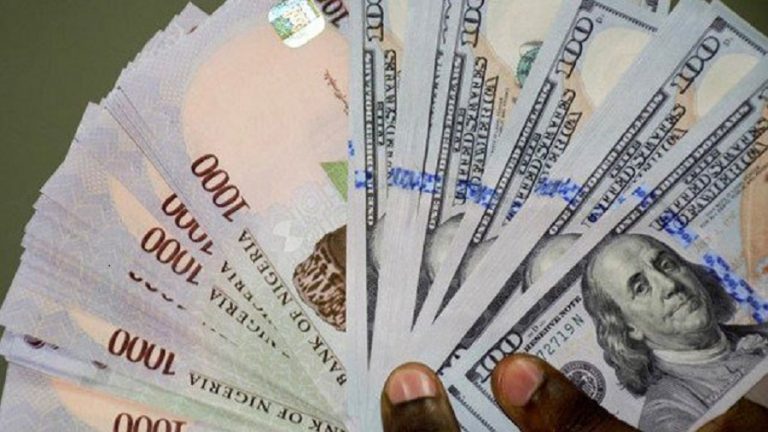
The Nigerian naira strengthened further against the United States dollar at the official foreign exchange market on Monday, August 17, 2026, extending its recent gains and maintaining relative stability in the parallel market.
The naira closed at about ₦1,350 per dollar at the Nigerian Foreign Exchange Market (NFEM), compared with ₦1,358.25/$ recorded on Friday, August 14, according to the latest official data.
The movement represents an appreciation of ₦8.25, or approximately 0.6 per cent, and places the naira at its strongest closing level since April 22, 2026.
As of Tuesday morning, August 18, a live USD/NGN rate source quoted the dollar at approximately ₦1,352.22, indicating that the naira remained around the ₦1,350/$ level in early trading.
Meanwhile, the parallel market continued to trade at a premium, with the dollar quoted at about ₦1,407 for buying and ₦1,420 for selling, based on the latest available Bureau De Change rates.
At the selling rate of ₦1,420/$, a customer seeking to purchase $1,000 would require approximately ₦1.42 million, while someone selling $1,000 could receive about ₦1.407 million.
The parallel-market selling rate is approximately ₦70 above the official NFEM rate of ₦1,350/$, representing a gap of about 5.2 per cent between the two markets.
The naira’s recent improvement at the official market has been attributed to improved foreign exchange liquidity and stronger dollar supply. Official market data also indicate continued stability following the currency’s movement from ₦1,365.69/$ in the previous week to ₦1,357.61/$ on August 17 before settling around ₦1,350/$, according to market trackers.
Market participants are expected to closely monitor developments in dollar supply and demand, crude oil receipts, foreign investment inflows, diaspora remittances and monetary policies of the Central Bank of Nigeria for signals on the naira’s next direction.
However, parallel-market rates may vary depending on location, transaction size and individual dealers, while the official NFEM rate is based on the volume-weighted average of transactions conducted in Nigeria’s formal foreign exchange market.
Currency rates remain subject to change throughout the day as market conditions evolve.

















Comments