

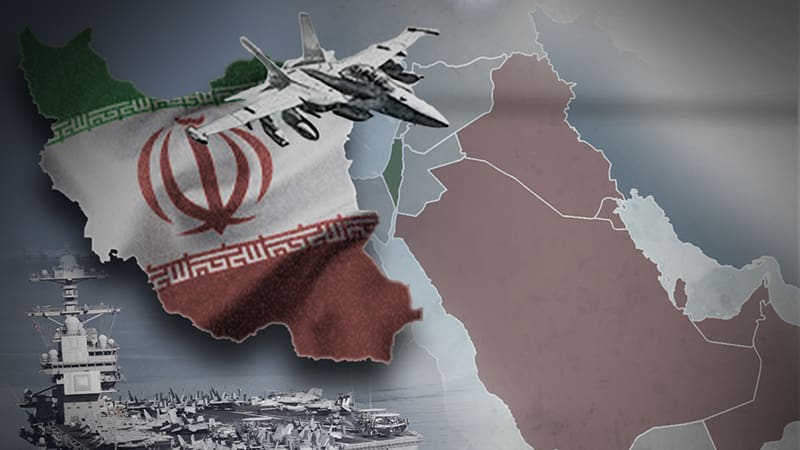
Iranian authorities on Wednesday executed a 32-year-old cybersecurity specialist, Ehsan Afreshteh, after convicting him of spying for Israel, marking the sixth execution on similar charges since the outbreak of the ongoing US-Israeli conflict with the Islamic Republic.
According to Iran’s judiciary-linked Mizan Online, Afreshteh was “a spy trained by Mossad in Nepal” who allegedly passed sensitive information to Israeli intelligence.
However, rights organisations disputed the claims surrounding his conviction and execution. Norway-based groups Hengaw and Iran Human Rights (IHR) said Afreshteh consistently denied providing classified information to Israel and maintained that he had only warned independent websites about cyberattacks due to his background in cybersecurity.
The organisations further alleged that he was subjected to torture and forced into making televised confessions while in detention.
Reports from both groups stated that Afreshteh had been residing in Turkey before returning to Iran after allegedly receiving assurances from Iranian authorities that he would not face prosecution. He was reportedly arrested immediately upon arrival and later held in solitary confinement.
In June 2025, he was sentenced to death by Judge Abolqasem Salavati, a controversial Iranian judge widely criticised by international rights groups for issuing harsh sentences in political and security-related cases.
Rights groups also claimed that Afreshteh’s father suffered a fatal heart attack after learning of the death sentence handed to his son.
Iran Human Rights said Afreshteh’s execution is part of a wider crackdown that has intensified since the start of the war. The organisation noted that Iranian authorities have executed at least 25 other individuals regarded by activists as political prisoners during the same period.
Among them are 13 people linked to January protests, one connected to the 2022 anti-government demonstrations, and 11 others accused of ties to banned opposition movements.
“These executions are intended to create fear among the Iranian people,” IHR director Mahmood Amiry Moghaddam said, describing Afreshteh’s conviction as one based on “false espionage charges and coerced confessions.”
The latest execution comes just days after Iranian authorities executed 29-year-old postgraduate student Erfan Shakourzadeh on accusations of espionage for Israel and the United States — charges he also denied.
Iran remains one of the world’s leading executioners, second only to China, according to international rights organisations. Iran Human Rights reported that at least 1,639 people were executed in the country in 2025, while at least 194 executions have already been recorded in 2026.


















Comments