

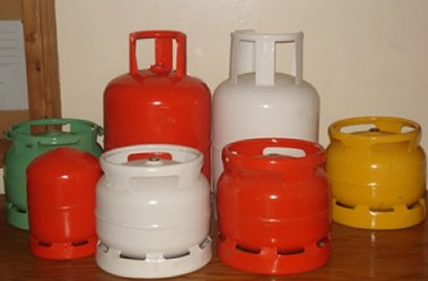
ABUJA — Marketers of Liquefied Petroleum Gas (LPG), popularly known as cooking gas, have attributed the recent sharp increase in prices across Nigeria to supply shortages, rising demand, and seasonal factors linked to the rainy season.
The explanation comes amid growing concerns over the soaring cost of cooking gas, which has increased by between 40 and 66 percent in several parts of the country over the past three weeks.
Checks by DAILY POST showed that LPG prices have risen from between N1,000 and N1,200 per kilogram to as high as N1,400 and N2,000 per kilogram in Abuja and surrounding areas, further worsening the economic burden on households already grappling with the high cost of living.
Nigeria’s headline inflation stood at 26.50 percent in April 2026, while food inflation was recorded at 16.09 percent, making basic household expenses increasingly difficult for many citizens despite the N70,000 national minimum wage.
Speaking on the development, the National Public Relations Officer of the Oil and Gas Suppliers Association of Nigeria (NOGASA), Chinedu Ukadike, said the price surge was largely driven by increased demand during the rainy season.
According to him, many households abandon the use of firewood during the rainy season and switch to cooking gas, thereby placing greater pressure on available supplies.
“It’s because of demand now. You know, it’s the rainy season. Once it comes to the rainy season, all firewood goes off. It’s seasonal. That’s the way it works,” Ukadike explained.
He noted that supply constraints and the limited availability of alternative household fuels have also contributed to the current market situation.
Despite the sharp increase, Ukadike expressed optimism that prices would eventually stabilize as market forces take effect and more operators enter the LPG market.
“It will come down naturally,” he said, adding that increased participation by gas companies and improved supply levels would help ease price pressures.
The NOGASA spokesperson further identified the growing involvement of major players, including Dangote Refinery, as a potential solution to improving product availability and reducing costs.
Similarly, the Managing Director of Nigerian Independent Petroleum Company Plc (NIPCO), Taofeek Lawal, blamed the rising prices on a widening gap between supply and demand.
“It is basically a supply issue. There are few products for a large number of customers,” Lawal stated.
He stressed that increasing product availability remains the most effective way to address the persistent rise in cooking gas prices.
“The solution is to improve supply to meet the growing demand,” he added.
The latest surge in LPG prices has heightened concerns over energy affordability for millions of Nigerians, many of whom have increasingly relied on cooking gas as a cleaner and safer alternative to firewood and kerosene. With demand expected to remain high throughout the rainy season, consumers are hoping for swift interventions to stabilize prices and ease the financial strain on households nationwide.

















Comments