

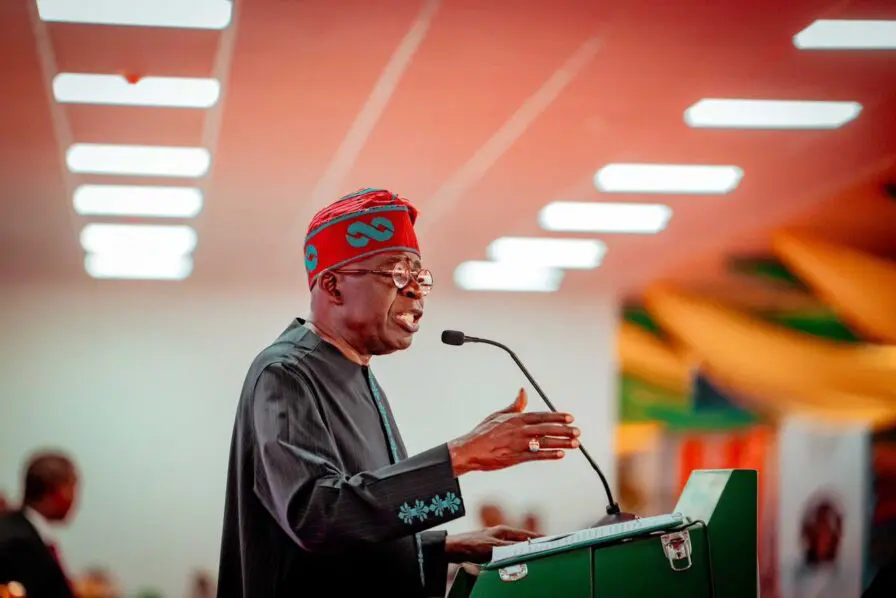
The Federal Government’s plan to introduce a fuel tax has sparked widespread criticism, with Nigerians expressing concerns that the proposed levy could worsen the economic hardship facing households and businesses.
The controversy followed comments by the Minister of Finance and Coordinating Minister of the Economy, Taiwo Oyedele, who said the government would introduce the tax when the economy stabilised and Nigerians’ incomes improved sufficiently to accommodate the additional cost.
Oyedele made the disclosure during an interview on the sidelines of the 2026 International Monetary Fund and World Bank annual meetings in Bangkok, Thailand.
He explained that revenue generated from the proposed levy would support road infrastructure and the development of a fuel reserve to cushion the effects of future price shocks.
According to the minister, implementing the tax would require an order published in the Official Gazette, adding that the government would not introduce it until the appropriate time.
Oyedele also argued that introducing the tax while petrol was subsidised would have been counterproductive, while imposing it immediately after the subsidy removal could have placed additional pressure on Nigerians.
He said the government’s priority was to grow incomes faster than prices rise, rather than suppressing prices through interventions that had proved ineffective.
However, the proposal has drawn criticism from citizens who believe the government should prioritise measures to ease the cost of living instead of introducing additional levies.
The debate has also revived concerns over the removal of the petrol subsidy announced by President Bola Tinubu on May 29, 2023, which was followed by significant increases in fuel prices and transportation costs.
A tailor, Niyi Osundare, criticised the proposal, arguing that another levy would further undermine small businesses already struggling with high operating costs.
Osundare said many businesses had become increasingly dependent on generators because of unreliable electricity supply, making the cost of petrol a major financial burden.
He questioned how business owners could absorb an additional increase in fuel prices when many were already struggling to remain operational.
The tailor also expressed doubts about the government’s assurance that the tax would only be introduced when economic conditions improved, insisting that Nigerians had endured years of rising costs and unfulfilled expectations.
Similarly, a lawyer and public affairs analyst, Kunle Onatade, dismissed the proposed use of the revenue for infrastructure development and fuel price stabilisation, arguing that the government had yet to convince Nigerians that proceeds from the removal of the subsidy had delivered sufficient benefits.
Onatade questioned the government’s borrowing and spending priorities, alleging that the proposed levy could create another revenue stream without adequately addressing the needs of ordinary citizens.
He warned that an additional fuel charge could increase transportation and production costs, potentially pushing up the prices of goods and services across the country.
Business groups have also raised concerns about the implications of the proposed tax for businesses and households.
The Association of Small Business Owners of Nigeria urged the government to prioritise economic relief, warning that an additional charge on fuel could increase operating expenses and place further pressure on already struggling enterprises.
Meanwhile, the proposed levy is linked to the five per cent surcharge on chargeable fossil fuel products provided for under Nigeria’s tax framework. Its implementation requires an order by the finance minister published in the Official Gazette.
The framework exempts certain products, including household kerosene, cooking gas, compressed natural gas and clean or renewable energy products.
The government had previously dismissed reports of an imminent introduction of fresh petroleum taxes, maintaining in June 2026 that no process to activate the fuel surcharge was then under consideration.
Oyedele has maintained that the proposed tax would be introduced only when economic conditions could accommodate it, adding that the government could temporarily waive the levy during future price shocks to ease pressure on consumers.
However, critics insist that the government should focus on reducing the burden of existing fuel prices and improving household incomes before considering any additional charges.







Comments