

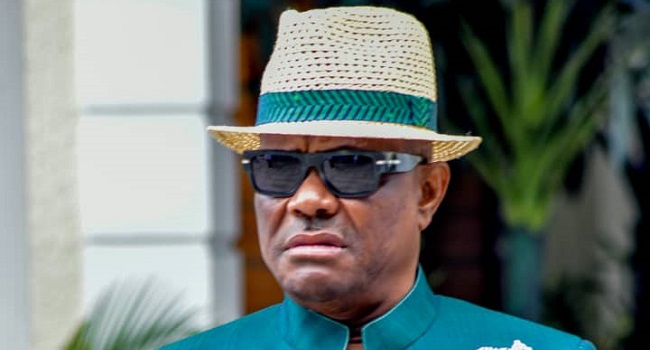
A legal practitioner and public affairs analyst, Justice Osai Ahiakwo, has strongly criticised the Minister of the Federal Capital Territory, Nyesom Wike, over controversial comments made during a recent television interview.
Wike reportedly stated that he would have “broken the screen” to shoot a presenter, Seun Akinbaloye of Channels Television, if given the opportunity—a remark that has since sparked widespread backlash.
The statement has drawn condemnation from several quarters, including the Nigeria Union of Journalists, with critics expressing concern over the implications of such rhetoric from a high-ranking public official.
Reacting to the development, Ahiakwo described Wike’s comment as deeply troubling and reflective of a broader leadership failure. He argued that the remark goes beyond a casual outburst, raising serious questions about the discipline, tone, and responsibility expected of those in positions of power.
“Leadership is not defined by aggression or theatrics, but by restraint,” he said, stressing that the true measure of authority lies in the ability to maintain composure, particularly under pressure.
He further noted that public office holders wield significant influence, and their words can either stabilise or inflame an already tense environment. According to him, careless statements—whether made in jest or otherwise—risk eroding public trust and lowering the standards of political discourse.
Drawing parallels with Nigeria’s political history, Ahiakwo referenced former President Goodluck Jonathan, highlighting his well-known stance that his political ambition was not worth the blood of any Nigerian. He described this as a defining example of restraint and responsible leadership during a critical period in the country’s history.
The analyst also pointed to global figures such as Nelson Mandela and Abraham Lincoln, noting that despite facing profound national challenges, they consistently adopted measured and unifying rhetoric rather than inflammatory language.
He warned that when leaders resort to threats or combative expressions, they risk fostering a climate of fear, discouraging open dialogue and weakening democratic institutions over time.
Ahiakwo concluded that the controversy extends beyond a single remark, urging public officials to exercise discipline and self-restraint, while recognising that although power is temporary, words and reputations endure long after they leave office.













Comments