

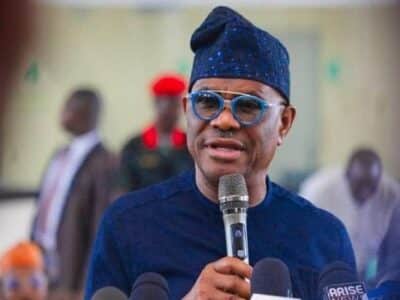
Oyo State Governor, Seyi Makinde, has blamed Nigeria’s persistent divisions on the political elite, insisting that ordinary citizens across ethnic, religious and regional lines largely agree on remaining united as one nation.
Makinde made the remarks on Wednesday in Abuja at the public presentation of a book titled Headlines and Soundbites: Media Moments that Defined an Administration, authored by former Minister of Information and Culture, Lai Mohammed.
According to the governor, the political class has continued to undermine national unity by exploiting identity differences for personal and political ambition.
“My experience is that ordinary Nigerians already have a consensus that they want to be Nigerians,” Makinde said. “But we, the elites, are the ones dividing the country because of our ambition — he’s a Muslim, he’s a Christian, he’s South-South, he’s Yoruba.”
He warned that such divisions among leaders were stalling national progress and called for what he described as an “elite consensus” to chart a realistic path forward for the country.
Makinde urged leaders across party lines to rise above partisan interests, identify Nigeria’s current challenges and design solutions suited to present-day realities. He also called for far-reaching political reforms to reposition the country.
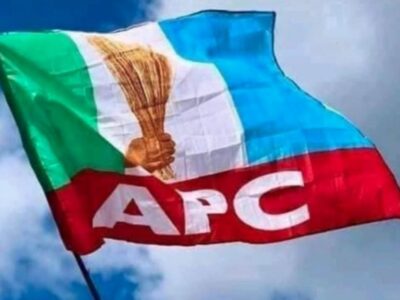
Although not a member of the ruling All Progressives Congress (APC), the governor said his presence at the event reflected the importance of national dialogue beyond party affiliations. He used the occasion to reaffirm that he was not defecting to the APC.
Congratulating Lai Mohammed on the book’s publication, Makinde encouraged current and former public office holders to document their experiences in governance, describing it as vital to preserving Nigeria’s history.
“Our leaders should enrich our history by documenting how they saw events from their own perspectives,” he said. “It gives future generations something to interrogate, critique and learn from.”
Makinde also recalled his political journey alongside the late former President Muhammadu Buhari, noting that both contested the 2007 elections on the platform of the All Nigeria Peoples Party (ANPP). He reflected on how political paths often evolve over time.
Touching on Nigeria’s federal structure, the governor observed that the nation’s current challenges differ significantly from those faced in the immediate post-civil war era, when preserving national unity was the dominant priority.











Comments