

Africa’s richest individuals significantly increased their wealth over the past year, adding more than $20 billion collectively, according to the latest billionaire ranking released by Forbes.
The Forbes 2026 list shows that the combined net worth of Africa’s 23 billionaires rose to $126.7 billion, marking a 21 percent increase compared to 2025. The growth was largely driven by stronger equity markets across the continent and improved currency stability in several African economies.
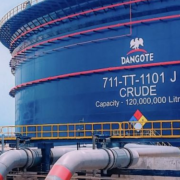
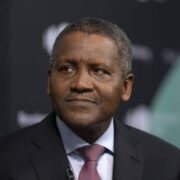
Nigeria’s industrialist Aliko Dangote retained his position as Africa’s richest person, with an estimated fortune of $28.5 billion. His wealth increased following a surge in Dangote Cement shares after the company reported record profits in 2025.
South African luxury goods magnate Johann Rupert ranked second on the list with $16.1 billion, while Nigerian businessman Abdulsamad Rabiu moved up to third position, recording the biggest wealth gain among the billionaires.
Rabiu’s net worth rose by 120 percent to $11.2 billion, driven mainly by the strong performance of BUA Cement, whose shares recorded significant growth during the year.
In fourth place is Nicky Oppenheimer and family with $10.6 billion, followed by Nassef Sawiris with $9.6 billion, whose wealth is tied largely to construction and engineering investments.
Other notable billionaires on the list include Mike Adenuga ($6.5 billion), Naguib Sawiris ($5.6 billion), Patrice Motsepe ($4.3 billion), and Mohamed Mansour ($4 billion).
Nigeria maintained a strong presence on the ranking with four billionaires — Dangote, Rabiu, Adenuga, and Femi Otedola.
Overall, 14 of the 23 billionaires are self-made, reflecting a growing culture of entrepreneurship on the continent. However, the ranking highlights a major gender gap, as no women appeared on the list.
By country representation, South Africa leads with seven billionaires, followed by Egypt with five, Nigeria with four, and Morocco with three.
Forbes noted that the surge in billionaire wealth reflects improved investor confidence across major African markets, supported by stronger regional currencies and better performance in key sectors such as cement, mining, telecommunications, and finance.













Comments