

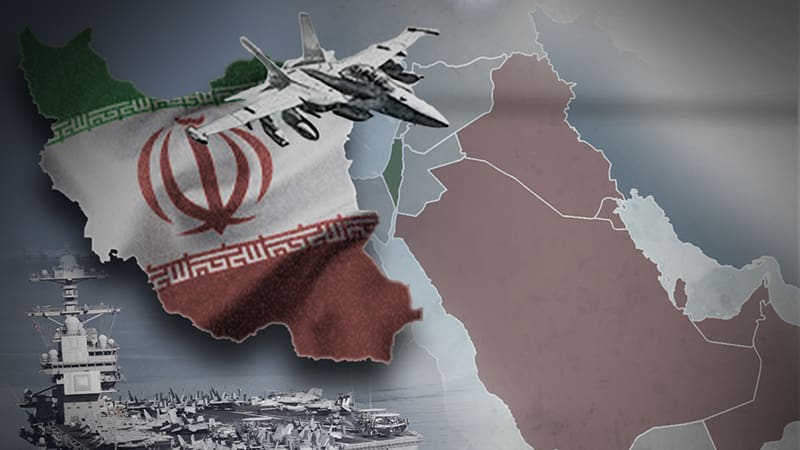
A fragile ceasefire between Israel and Iran came under renewed strain on Monday as both sides exchanged fresh attacks, raising fears of a wider regional conflict and undermining diplomatic efforts aimed at ending months of escalating hostilities across the Middle East.
The latest round of violence included an Israeli strike on a petrochemical facility in Mahshahr, southwestern Iran, just hours after United States President Donald Trump publicly urged Israel to avoid further retaliation against Tehran.
Explosions were reported across Jerusalem as Israeli air defense systems intercepted a new wave of missiles launched from Iran. The Israeli military confirmed it was actively responding to the attacks.
The renewed confrontation followed Israeli strikes in western and central Iran, which Israel said were carried out in response to an Iranian missile barrage on Sunday. Israeli authorities reported that all 11 missiles launched by Iran were intercepted, with no casualties recorded.
Amid growing concerns over the possibility of a broader war, President Trump sought to calm tensions, emphasizing the need for both sides to step back from further military action.
“I am going to call Bibi right now and tell him not to retaliate,” Trump reportedly told Axios journalist Barak Ravid, referring to Israeli Prime Minister Benjamin Netanyahu by his nickname.
“Israel had its strike and Iran had its strike. We don’t need another one,” Trump added.
In a separate interview with Fox News, Trump urged Tehran to return to negotiations.
“What I would suggest to Iran: You’ve shot your missiles, that’s enough, get back to the table and make a deal,” he said.
According to Ravid, a U.S. official confirmed that Trump later spoke with Netanyahu, although no official statement was immediately released by the White House.
Iran Links Ceasefire to Lebanon Conflict
Iran has maintained that any comprehensive agreement to end hostilities must also address the parallel conflict in Lebanon, where Israeli forces continue military operations against Hezbollah, the Iranian-backed armed group.
Iranian Foreign Ministry spokesman Ali Safari said Tehran’s missile strikes were carried out after what he described as weeks of restraint in the face of Israeli actions.
The Islamic Revolutionary Guard Corps (IRGC) described Sunday’s attack as a “warning” and warned that any further Israeli operations would trigger a broader response.
Tensions were further heightened when Iran launched strikes targeting what it described as “terrorist groups” operating in Iraq’s Kurdistan region. Tehran has long accused Kurdish armed factions of cooperating with Western and Israeli interests.
Meanwhile, the Israeli military said it was also intercepting a missile launched from Yemen, where Houthi rebels have repeatedly targeted Israeli territory in recent months.
Beirut Strike Escalates Regional Crisis
On Sunday, Netanyahu’s office announced that Israeli forces had struck what it described as a militant command center in Beirut’s southern Dahiyeh district following Hezbollah rocket attacks on northern Israel.
Lebanon’s Health Ministry reported that the strike killed two people and injured at least 20 others.
Hezbollah later confirmed launching missiles and drones at two Israeli military installations earlier in the day.
Iranian Parliament Speaker Mohammad Bagher Ghalibaf accused the United States of effectively endorsing the Beirut strike, warning that both American and Israeli assets had become “legitimate targets.”
Iranian military officials also condemned the attack, saying Israel had “crossed all red lines” and demanding an immediate halt to military operations in Lebanon.
“Tonight’s operation was a warning,” the Revolutionary Guards said in a statement. “If such aggressions are repeated, the responses will be broader and will cover all U.S.-Zionist targets in the region.”
Oil Markets Jittery as Diplomacy Faces Setback
The latest escalation sent global oil prices higher amid fears that tensions could further disrupt shipping through the Strait of Hormuz, one of the world’s most critical energy transit routes.
Inside Iran, many citizens expressed frustration over the growing uncertainty and economic hardship caused by the prolonged crisis.
“I really have gone numb,” said Elaheh, a 32-year-old fitness trainer from Ahvaz. “Daily life is a joke. Everything is horrible. We only try to survive.”
Despite the deteriorating security situation, diplomatic efforts remain ongoing.
Pakistan’s Interior Minister Mohsin Naqvi arrived in Tehran over the weekend carrying what Iranian state media described as a special message from Pakistan’s military leadership and government.
Pakistan’s Army Chief, General Syed Asim Munir, has reportedly been involved in efforts to facilitate communication between Tehran and Washington following earlier rounds of negotiations.
However, prospects for a breakthrough remain uncertain.
Mohsen Rezaei, an adviser to Iran’s Supreme Leader, told CNN that negotiations with the United States had reached a “deadlock” and called on Washington to release approximately $24 billion in frozen Iranian assets.
President Trump rejected the proposal, insisting that no assets would be released until meaningful progress is achieved.
“If they behave, if they do a good job, we start talking,” Trump told NBC.
With missile exchanges continuing and regional tensions mounting, hopes for a lasting ceasefire now face their most serious test yet.















Comments