

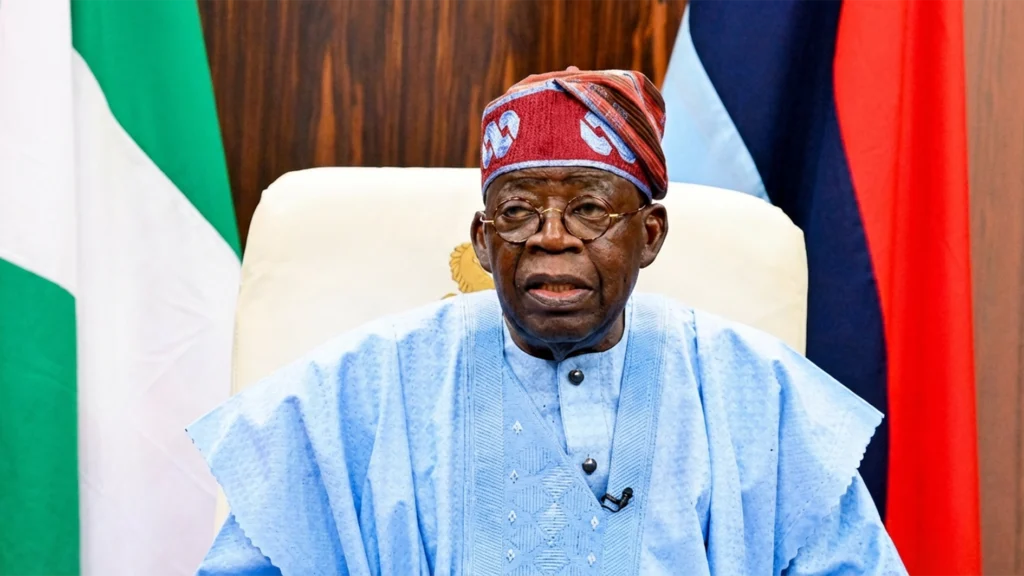
As the Independent National Electoral Commission (INEC) prepares to officially open the 2027 electioneering season, President Bola Ahmed Tinubu may not be at the forefront of daily campaign messaging. Instead, sources within the administration suggest a carefully structured political communication machinery is being positioned to take centre stage.
The emerging strategy appears rooted in a simple but deliberate philosophy: let governance outcomes speak louder than political rhetoric.
Across several regions, particularly in the North-West, members of the presidential media team and Renewed Hope Ambassadors have been engaging stakeholders and inspecting ongoing federal projects. The messaging being reinforced is consistent — that Nigerians should assess the administration based on visible development rather than campaign promises.
Development as a campaign narrative
Rather than relying heavily on traditional political speeches and rallies, the Tinubu administration is increasingly leaning on infrastructure delivery and social investment as its primary communication tool.
Under the Renewed Hope agenda, officials are promoting what they describe as tangible evidence of governance, including roads, rail projects, healthcare upgrades, and agricultural interventions.
Government supporters argue that this approach is designed to rebuild public trust in a political climate where skepticism toward campaign promises remains high.
Subsidy removal repositioned
A central element of the emerging narrative is an attempt to reframe the removal of fuel subsidy — initially one of the administration’s most controversial policy decisions — as a long-term economic reform.
According to government-aligned commentators, the policy has freed up substantial fiscal space, enabling increased allocations to states and expanded capital projects at both federal and subnational levels.
These funds, they argue, are now being channeled into infrastructure development, social programmes, and economic empowerment initiatives.
Spotlight on infrastructure projects
Among the flagship projects frequently highlighted is the Kano–Maradi railway line, which officials say has reached significant stages of completion. The project is being positioned as a major trade and regional integration corridor linking northern Nigeria with the Niger Republic.
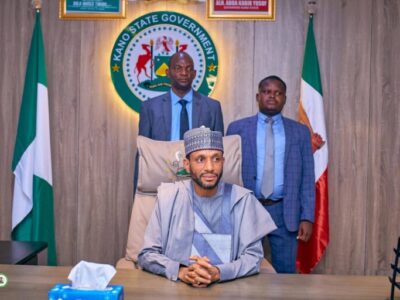
State-level presentations during recent engagements in Jigawa, Kaduna, and Kano also showcased ongoing investments in road construction, rural electrification, healthcare facilities, and education infrastructure.
In Kaduna State, officials pointed to extensive road rehabilitation projects and improvements in public institutions. In Jigawa, attention was drawn to agricultural mechanisation programmes and a skills acquisition centre aimed at youth employment and entrepreneurship development.
Federal–state collaboration strengthens
Analysts observing the political environment note a growing alignment between the federal government and several state administrations. This cooperation, they say, marks a shift toward more coordinated project execution across tiers of government.
The partnership is seen as politically strategic, potentially creating a network of state-level stakeholders invested in promoting the administration’s performance ahead of the 2027 elections.
Testing the message in the North-West
Recent visits by presidential communication teams to parts of the North-West were reportedly designed to test public perception of ongoing projects and refine the administration’s messaging strategy.
Citizens and officials were engaged in discussions around infrastructure delivery, economic reforms, and the perceived impact of federal interventions on local communities.
Mixed outlook ahead of 2027
While the administration appears confident in its “visible governance” approach, political observers caution that infrastructure delivery alone may not fully address wider public concerns, particularly inflation, unemployment, and the rising cost of living.
Critics argue that while physical projects are important, voter sentiment will ultimately be shaped by how economic realities affect households across the country.
Nevertheless, the Tinubu administration appears committed to maintaining its current trajectory, banking on sustained infrastructure visibility and fiscal reforms to shape public perception ahead of the 2027 general elections.



Comments