

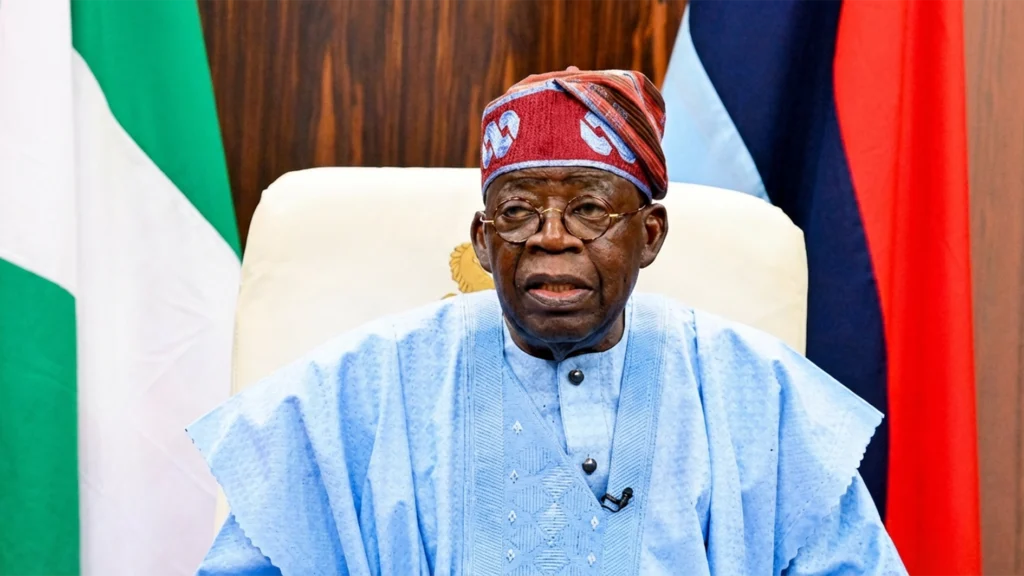
Nigeria’s inflation rate has climbed again, intensifying economic pressure on households and raising fresh concerns about the real impact of ongoing reforms under President Bola Ahmed Tinubu’s administration.
Latest data released by the National Bureau of Statistics (NBS) shows headline inflation rose to 15.38 percent in March, while food inflation climbed to 14.31 percent. The increase comes amid sharp spikes in energy costs, with petrol and diesel prices rising significantly over the past 50 days following the escalation of geopolitical tensions involving Iran, the United States, and Israel.
Petrol prices have jumped from about N900 per litre to between N1,290 and N1,350, while diesel now sells between N1,600 and N1,800 per litre. These increases have triggered a nationwide surge in transportation costs, food prices, and overall living expenses.
Although global economic shocks have affected multiple countries, analysts say Nigeria’s situation is particularly severe due to its heavy reliance on imports and structural economic vulnerabilities. Government efforts, including import duty reviews on 127 items such as rice, sugar, and vehicles, have yet to ease inflationary pressure.
Economic experts warn that the rising cost of logistics and energy continues to drive inflation, worsening living conditions for millions of Nigerians.
The Centre for the Promotion of Private Enterprise has called on the Federal Government to reduce import duties on mass transit buses to 5 percent and grant Value Added Tax waivers to ease transportation costs.
Meanwhile, the International Monetary Fund (IMF) has revised Nigeria’s GDP growth projection to 4.1 percent, citing increased pressure from global economic instability. Speaking at the World Bank/IMF Spring Meetings, IMF Africa Director Abebe Selassie warned that higher transportation costs and expensive agricultural inputs could further threaten food security.
“There will be significant pressure, particularly on food prices, due to rising transportation and fertilizer costs,” Selassie said.
Despite official figures, some local experts argue that inflation data does not fully capture the reality in markets. Former President of the Chartered Institute of Bankers of Nigeria, Okechukwu Unegbu, noted that price increases experienced by consumers appear far more severe.
Minister of Finance Wale Edun has attributed the inflation surge largely to global shocks, particularly the ongoing geopolitical conflict, even as Nigeria’s crude oil benchmark, Bonny Light, trades above $110 per barrel.
However, Professor Godwin Oyedokun of Lead City University described the situation as a “sobering reality,” stressing that both external shocks and domestic policies are driving inflation.
He acknowledged that reforms such as fuel subsidy removal and foreign exchange liberalization are necessary for long-term stability but noted their immediate impact has been harsh.
“These policies have significantly increased energy costs and weakened the naira, making imports more expensive,” Oyedokun said. “What we are witnessing is a classic case of cost-push inflation.”
He added that while international institutions support Nigeria’s reform agenda, the benefits may not translate quickly to improved living standards.
“For many Nigerians, transportation costs have surged, food prices remain high, and real incomes continue to decline,” he said, warning that the reform narrative risks appearing disconnected from everyday realities.
Similarly, financial analyst Gbolade Idakolo linked the inflation spike to rising global shipping and domestic logistics costs, noting that more Nigerians are being pushed below the poverty line.
He emphasized that reforms alone are insufficient to address current hardships, urging the government to introduce immediate relief measures.
“There is a need for urgent intervention, particularly in transport subsidies and targeted palliatives, to cushion the impact before long-term reforms begin to yield results,” Idakolo said.
As inflation continues to rise, the gap between macroeconomic policy goals and the lived experiences of Nigerians appears to be widening, intensifying calls for a more balanced approach that combines reform with immediate social support.









Comments