

The release of the timetable for the February 20, 2027 general elections by the Independent National Electoral Commission has triggered an intense race among political parties, with only a handful appearing structurally prepared for a nationwide contest.
Under the schedule announced by INEC, presidential and National Assembly elections will hold on February 20, 2027, while governorship and state assembly polls are slated for March 6, 2027. Party primaries are to be conducted between May 22 and June 20, 2026, with campaigns commencing in September 2026 — a timeline many observers describe as compressed and demanding immediate mobilisation.
However, the February 20 date may yet be adjusted following concerns from Muslim leaders and organisations that it could coincide with the Ramadan fast, potentially affecting voter turnout if the polls are brought forward to January.
Five Parties Positioned for Nationwide Contest
Out of the 21 registered political parties, only five are widely considered capable of mounting credible nationwide campaigns: the All Progressives Congress, Peoples Democratic Party, Labour Party, New Nigeria Peoples Party and Social Democratic Party.
These parties possess varying degrees of national structure, administrative capacity and prior electoral experience necessary to contest presidential, National Assembly, governorship and state assembly elections across most states.
APC Consolidates Early Advantage
The ruling APC appears to be in advanced preparation mode. Party insiders point to aggressive membership registration drives, electronic data revalidation exercises and high-profile defections from opposition ranks as evidence of strategic consolidation.
According to party sources, the APC currently controls 29 state governments, bolstering its grassroots network and access to political structures nationwide. The party has also established The Progressive Institute (TPI), a policy and training platform aimed at strengthening internal governance and strategic planning ahead of 2027.
APC officials have expressed satisfaction with the timetable, describing it as adequate for primaries, internal consultations and candidate emergence.
PDP, LP Face Internal Turbulence
In contrast, leading opposition parties are grappling with internal disputes that could complicate their preparations.
The PDP continues to battle leadership tussles and factional divisions. Despite this, party insiders insist the PDP remains indispensable to Nigeria’s political landscape and will resolve internal disagreements before the primary election window closes.
Similarly, the Labour Party is undergoing restructuring after months of leadership disputes. INEC’s recognition of Senator Nenadi Usman as national chairman has accelerated reorganisation efforts, though rival claims by factions loyal to Julius Abure indicate lingering tensions.
The party’s 2023 vice-presidential candidate, Yusuf Datti Baba-Ahmed, has publicly signalled interest in the 2027 presidential race, further energising internal positioning.
NNPP, SDP Signal Readiness
The NNPP, led by Rabiu Kwankwaso, says it is prepared for the elections, citing its nationwide participation in the 2023 polls as proof of growing national strength. Party officials have also hinted at openness to strategic alliances.
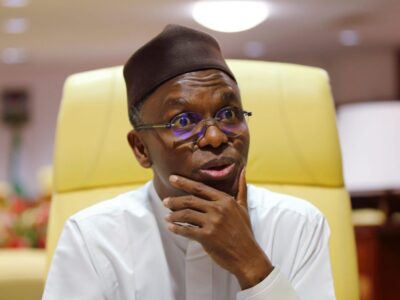
The SDP has similarly declared readiness, with party leaders promising to field experienced candidates, particularly in the South-West. However, recent defections — including that of former Kaduna State governor Nasir El-Rufai to the African Democratic Congress — underscore ongoing realignments within the political space.
Sixteen Parties Struggle with Structural Weaknesses
Beyond the five relatively prepared platforms, sixteen other registered parties face serious structural deficiencies. These include the All Progressives Grand Alliance, African Action Congress, Action Democratic Party, Accord, Action Alliance, Boot Party, National Rescue Movement, Peoples Redemption Party, Young Progressive Party, Zenith Labour Party, Youth Party, Democratic Leadership Alliance, Nigeria Democratic Congress, Action Peoples Party and Allied Peoples Movement.
Many of these parties lack functional ward and state structures, elected executives, or operational secretariats. Others remain entangled in court disputes, funding constraints and leadership crises that may hinder their ability to conduct primaries within INEC’s stipulated timeframe.
Countdown to a Defining Test
With primaries scheduled for mid-2026 and campaigns to begin months later, the coming year will serve as a critical test of institutional strength and organisational capacity.
The timetable has already intensified negotiations, alliance talks and internal restructuring across the political spectrum. While a few major parties appear structurally positioned to compete nationwide, the majority must urgently rebuild or risk being sidelined in what is shaping up to be another high-stakes electoral cycle.
As the clock ticks toward 2027, party readiness — not just rhetoric — may ultimately determine who stands on the ballot and who fades into political obscurity.






Comments